
When you take a pill, undergo a procedure, or receive an injection, you usually expect it to have an active medical ingredient that improves your health. But what if the pill had no medicine inside just sugar or a harmless substance? Surprisingly, many people would still feel better. This fascinating phenomenon is called the placebo effect, and it’s one of the most intriguing intersections of psychology and medicine.
In this blog, we’ll explore what is the placebo effect: how it works, why it matters in clinical trials, and the debates surrounding its use. We’ll also touch on related concepts like the nocebo effect and open-label placebos. By the end, you’ll see why this “mind-over-matter” effect has become such a powerful subject of medical research.
Understanding the Placebo Effect
The placebo effect occurs when someone experiences real improvements in their symptoms after receiving a treatment that has no active medical properties. The key factor isn’t the pill or injection itself,. It’s the person’s belief and expectation that the treatment will help.
For example, if someone with chronic pain takes a sugar pill (believing it’s strong pain medication), their brain may actually reduce pain signals, leading to genuine relief. This shows that the placebo effect is more than “all in the head.” It can influence how the body functions in measurable ways.
How Does the Placebo Effect Work?
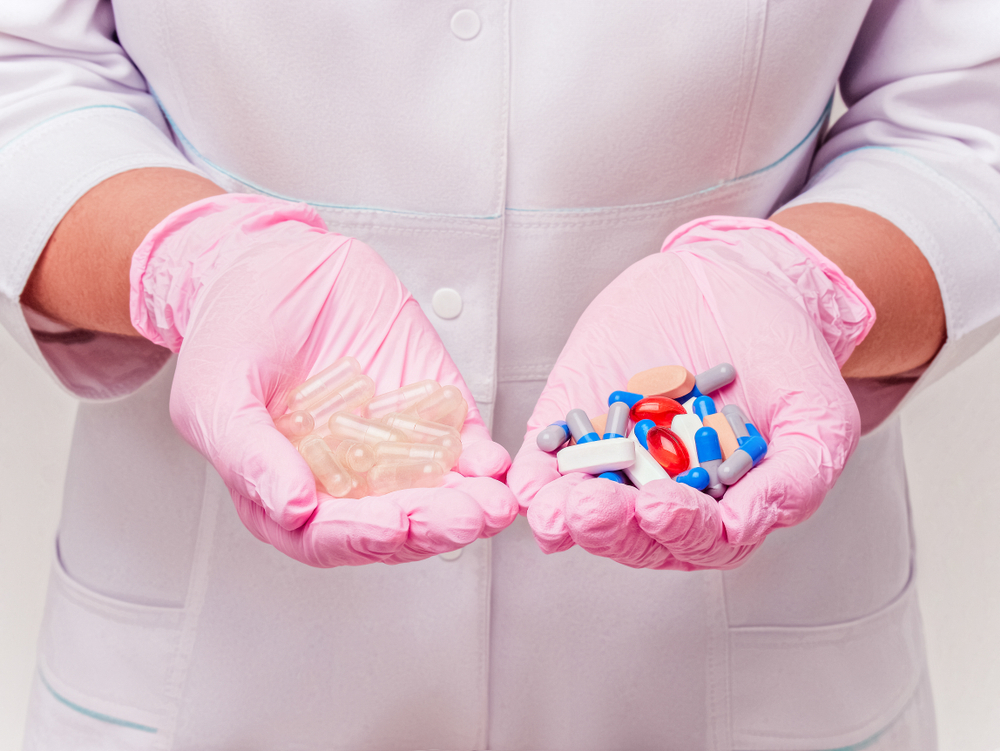
Scientists believe the placebo effect is linked to the powerful connection between the mind and body. Here are some of the mechanisms that may explain how it works:
- Expectation and belief: When patients expect improvement, the brain often delivers it by releasing natural chemicals like endorphins or dopamine.
- Conditioning: Just as Pavlov’s dogs learned to salivate at the sound of a bell, patients may associate medical rituals (like taking pills or visiting a doctor) with healing, leading their bodies to respond.
- Reduced stress and anxiety: Believing that you’re receiving treatment can lower stress hormones like cortisol, allowing the body to focus on recovery.
- Neurobiological changes: Brain scans show that placebos can activate regions associated with pain control, mood regulation, and reward.
Factors That Make Placebos More Effective
Not every placebo works the same way. Several factors can strengthen the placebo effect:
- Appearance of the treatment: Larger pills, brightly colored capsules, or injections often feel more “powerful” to patients.
- Doctor-patient interaction: A caring, confident doctor who reassures the patient can make the placebo more effective.
- Medical setting: Being in a hospital or clinic often heightens expectations of healing.
- Cultural beliefs: Societal attitudes toward medicine and healing play a role in how strongly people respond to placebos.
This shows that the placebo effect isn’t just about the treatment itself. It’s also shaped by environment, trust, and context.
Placebos in Clinical Trials
The placebo effect plays a crucial role in modern medicine, particularly in clinical trials. When researchers test a new drug, they need to know whether the benefits come from the medication itself or from the patient’s expectations.
That’s why many studies are randomized and double-blind: some participants get the real drug, while others receive a placebo, and neither the doctors nor patients know which is which. If the drug performs better than the placebo, it shows true medical effectiveness.
Without placebos, it would be nearly impossible to separate genuine drug effects from psychological influences.
Placebo Effect Doesn’t Mean “Fake Illness”
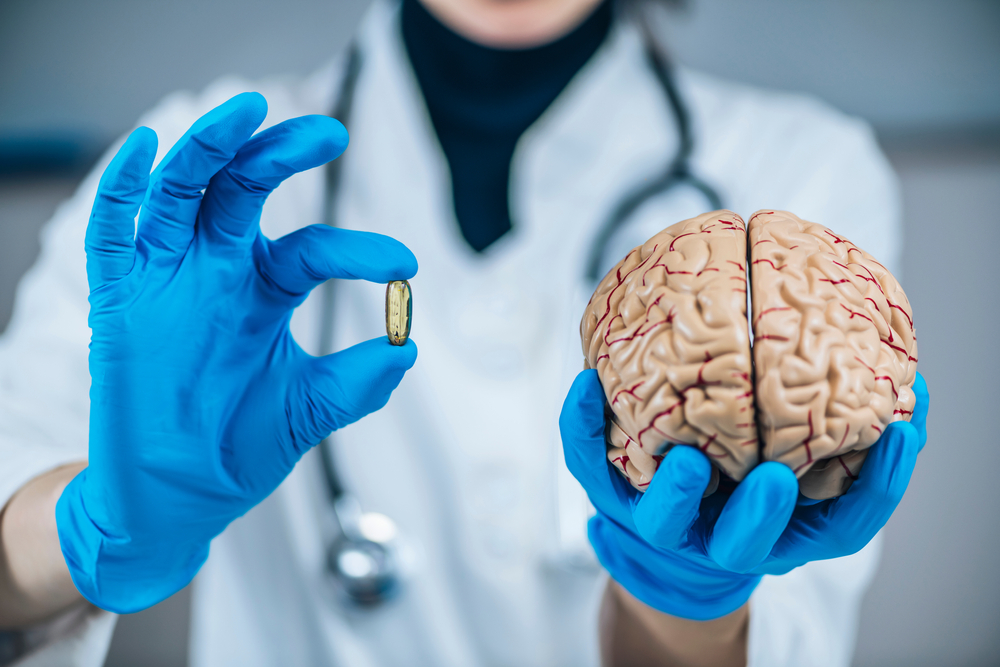
A common misunderstanding is that if someone responds to a placebo, their illness must have been “imaginary.” This couldn’t be further from the truth.
- A placebo can ease real physical symptoms like pain, nausea, fatigue, or insomnia.
- It can improve mental health symptoms such as anxiety or depression.
- Placebos may even produce measurable changes, such as lowering blood pressure or altering brain activity.
So, while a placebo might not cure diseases like cancer or infections, it can still provide real relief and improve quality of life.
The Debate: Are Placebos Ethical?
The use of placebos sparks a lot of debate in the medical community.
Arguments in favor:
- Placebos can relieve symptoms without side effects.
- They demonstrate the power of the mind-body connection.
- In certain cases, they may reduce dependence on medication.
Arguments against:
- Using placebos can involve deception, which might break trust between patient and doctor.
- Relying on placebos alone could delay proper treatment for serious conditions.
- Not all patients respond equally, making results unpredictable.
This ethical tension makes the use of placebos outside clinical trials highly controversial.
The Nocebo Effect: The Dark Side
If believing in treatment can make us feel better, then believing in negative outcomes can make us feel worse. This is known as the nocebo effect.
For example:
- A patient told about possible side effects may start experiencing them, even if they only took a harmless pill.
- Negative expectations can worsen pain, nausea, or anxiety.
The nocebo effect highlights the importance of communication between doctors and patients. Words, tone, and expectations matter greatly in medical care.
Open-Label Placebos: Placebos Without Deception
Traditionally, placebos required some level of trickery. But recent research has introduced the idea of open-label placebos where patients know they are taking a placebo, yet still experience benefits.
Studies show that even when patients are told, “This pill has no active drug, but research suggests it may still help,” many still report improvement. This suggests that the ritual of treatment itself can trigger healing responses, even without deception.
When and Where to Seek Help
While the placebo effect is fascinating, it’s important to remember:
- Placebos are not substitutes for proper medical treatment.
- If you experience ongoing or severe symptoms, always consult a licensed healthcare professional.
- Use evidence-based medicine for conditions like infections, chronic illnesses, or emergencies.
That said, the placebo effect reminds us of the power of positive thinking, trust, and expectation all of which can enhance real medical care.
Frequently Asked Questions
1. Can the placebo effect cure diseases?
No. The placebo effect can relieve symptoms like pain or anxiety, but it cannot cure diseases such as cancer, infections, or diabetes.
2. How long does the placebo effect last?
It varies. Some people experience benefits for a few hours, while others may notice improvements for weeks depending on the condition.
3. Who is more likely to experience the placebo effect?
Anyone can. The placebo effect can occur in people of all ages, although expectations and trust in treatment may influence its strength.
4. Can children experience the placebo effect?
Yes. Children can respond to placebos, especially when they trust their healthcare provider or parents during treatment.
5. Does the placebo effect work for everyone?
No. Some people experience noticeable benefits, while others may have little or no response.
6. Can surgery have a placebo effect?
Yes. Research has shown that sham surgeries can sometimes improve symptoms because of patient expectations, although they are mainly used in clinical research.
7. Is the placebo effect scientifically proven?
Yes. Numerous clinical studies and brain imaging research have confirmed that the placebo effect can produce measurable changes in the body.
8. Can animals experience the placebo effect?
Indirectly. Animals may appear to improve because of changes in their owner’s or veterinarian’s behavior, known as the caregiver placebo effect.
9. Why are placebos usually sugar pills?
Because they are harmless. Sugar pills have no active medication, making them useful for comparing treatment effects in clinical trials.
10. Can positive thinking increase the placebo effect?
Sometimes. Positive expectations and trust in treatment may strengthen the placebo effect, but they should never replace evidence-based medical care.
Conclusion
The placebo effect is a powerful reminder of how closely our minds and bodies are connected. Far from being “fake medicine,” it demonstrates that belief, trust, and expectation can create real improvements in health. From shaping the outcome of clinical trials to influencing everyday experiences of pain and well-being, the placebo effect continues to fascinate scientists and patients alike.
While it should never replace real medical treatment, understanding the placebo effect helps us appreciate the role of psychology in healing and why hope and positive expectations remain such powerful allies in medicine.
Disclaimer: This article is for informational purposes only and is not a substitute for professional medical advice, diagnosis, or treatment. Always consult a qualified healthcare provider regarding your health or medications.