
Prescription drugs help millions of people manage pain, anxiety, sleep problems, attention disorders, and many other health conditions. When used correctly under a doctor’s guidance, these medicines can improve quality of life and support recovery from illness. However, prescription drugs can also become dangerous when they are misused.
Prescription drug abuse has become a major health concern around the world. People of all ages, including teenagers, adults, and older individuals, can struggle with misuse of medications. Some people begin taking medicines for a real medical problem but later become dependent on them. Others misuse drugs to feel relaxed, improve focus, reduce stress, or experience a temporary high.
Many people wrongly believe that prescription medicines are always safe because doctors prescribe them. In reality, these drugs can be highly addictive and may cause serious physical, emotional, and social problems when used improperly.
Understanding the risks, warning signs, and available treatment options is important for individuals, families, schools, and communities. Early awareness can save lives and help people receive the support they need before the problem becomes severe.
This article explains prescription drug abuse in simple words, including its causes, common types, warning signs, health risks, treatment methods, and ways to prevent it.
What Is Prescription Drug Abuse?
Prescription drug abuse happens when someone uses medication in a way that is not recommended by a doctor. This can include:
- Taking higher doses than prescribed
- Taking medicine more often than directed
- Using someone else’s medication
- Using medicine without a prescription
- Crushing or injecting pills
- Mixing medicines with alcohol or illegal drugs
- Taking medication to feel pleasure instead of treating a medical condition
Prescription drug abuse can affect anyone regardless of age, education, or background. Sometimes the misuse starts accidentally. A person may increase the dose because they feel the medicine is no longer working. Over time, the body may become dependent on the drug.
Drug dependence means the body begins to rely on the medicine to function normally. Addiction is a more serious condition where a person continues using the drug despite harmful consequences.
Commonly Abused Prescription Drugs
Several types of prescription medicines are commonly misused. Each affects the body and brain in different ways.
Opioids
Opioids are pain-relieving medicines often prescribed after surgery or injury. Common examples include oxycodone, hydrocodone, morphine, and fentanyl.
These drugs reduce pain and can create feelings of relaxation or euphoria. Because of these effects, opioids have a high risk of addiction.
Misusing opioids can slow breathing and increase the risk of overdose and death.
Benzodiazepines
These medicines are used to treat anxiety, panic attacks, and sleep disorders. Examples include alprazolam, diazepam, and lorazepam.
Benzodiazepines calm the nervous system and help people feel relaxed. However, misuse can lead to memory problems, confusion, dependence, and dangerous withdrawal symptoms.
Combining these drugs with alcohol or opioids greatly increases overdose risk.
Stimulants
Stimulants are prescribed for conditions such as attention deficit hyperactivity disorder (ADHD). Common stimulant medications include amphetamine and methylphenidate.
Some people misuse stimulants to improve focus, stay awake longer, or increase energy. Students sometimes abuse these drugs during exams.
Misuse can cause high blood pressure, rapid heartbeat, anxiety, paranoia, and addiction.
Sleeping Pills
Prescription sleeping medications are intended to help people with insomnia. Misuse may occur when individuals take larger amounts or combine them with alcohol.
Abusing sleeping pills can lead to confusion, memory loss, accidents, and dependence.

Why Do People Abuse Prescription Drugs?
There are many reasons why people misuse prescription medications. Understanding these reasons helps families and healthcare professionals provide better support.
Pain Relief
Some individuals begin using pain medication after surgery or injury. They may continue taking the drugs even after the pain improves because the medicine creates calming or pleasurable feelings.
Stress and Emotional Problems
People dealing with anxiety, depression, trauma, loneliness, or emotional pain may misuse prescription drugs to escape difficult feelings.
Peer Pressure
Teenagers and young adults are especially vulnerable to peer pressure. Friends may encourage experimentation with medications at parties or social gatherings.
Academic Pressure
Students sometimes misuse stimulant medications to stay awake and improve concentration during exams or assignments.
Curiosity
Some people misuse medications simply because they are curious about the effects.
Easy Access
Prescription drugs are often available in homes, medicine cabinets, or through family members and friends. Easy access increases the risk of misuse.
Risk Factors for Prescription Drug Abuse
Certain factors increase the chances of developing prescription drug abuse problems.
Family History of Addiction
People with a family history of substance abuse may have a greater risk of addiction.
Mental Health Disorders
Conditions such as depression, anxiety, bipolar disorder, and post traumatic stress disorder can increase vulnerability.
History of Trauma
Physical abuse, emotional trauma, or stressful life events can contribute to substance misuse.
Young Age
Teenagers and young adults are at higher risk because their brains are still developing.
Long Term Use of Prescription Drugs
Using certain medications for long periods can lead to tolerance and dependence.
Tolerance means a person needs larger doses to get the same effect.
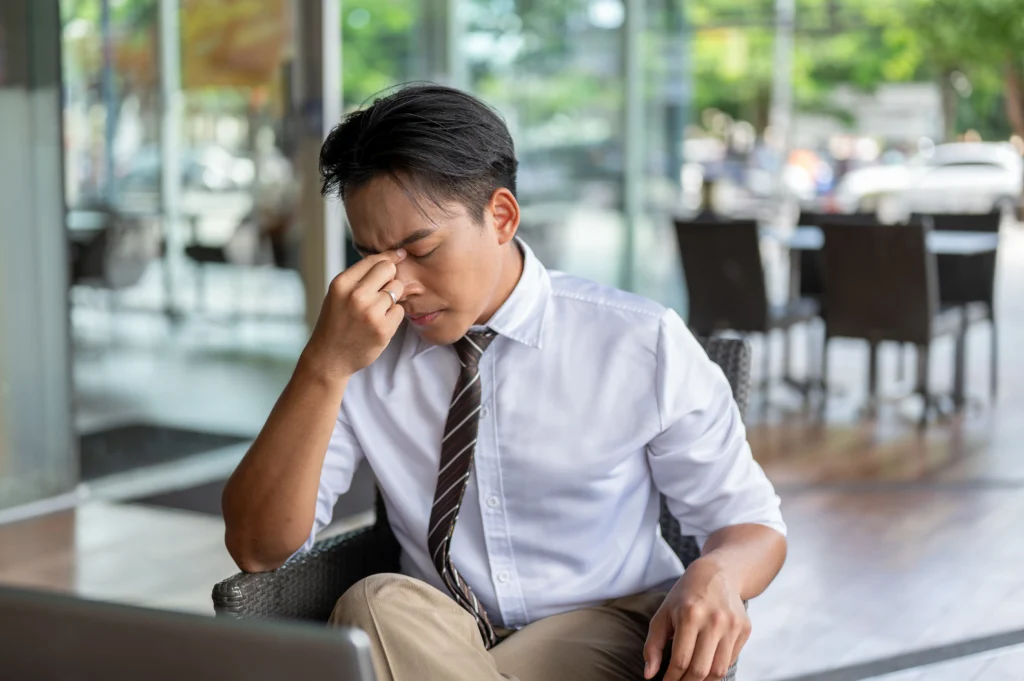
Signs and Symptoms of Prescription Drug Abuse
Recognizing warning signs early is important. Symptoms can be physical, emotional, or behavioral.
Physical Signs
- Drowsiness
- Slurred speech
- Poor coordination
- Changes in appetite
- Weight changes
- Small or large pupils
- Frequent headaches
- Tremors
- Poor hygiene
- Unusual sleep patterns
Emotional Signs
- Mood swings
- Irritability
- Anxiety
- Depression
- Lack of motivation
- Sudden anger
- Confusion
- Memory problems
Behavioral Signs
- Visiting multiple doctors for prescriptions
- Stealing medications
- Secretive behavior
- Poor school or work performance
- Social withdrawal
- Loss of interest in hobbies
- Financial problems
- Risky behaviors
- Taking medication more often than prescribed
Health Risks of Prescription Drug Abuse
Prescription drug misuse can seriously harm both physical and mental health.
Addiction
One of the biggest risks is addiction. Addiction affects brain function and makes it difficult for people to stop using drugs even when they want to quit.
Overdose
Taking high doses or mixing medications with alcohol can slow breathing and cause overdose. Overdose can lead to coma or death.
Opioid overdoses are especially dangerous because they can stop breathing completely.
Heart Problems
Stimulant abuse may cause high blood pressure, irregular heartbeat, heart attack, or stroke.
Liver and Kidney Damage
Long term misuse can damage important organs, especially when medications are combined with alcohol or other substances.
Mental Health Problems
Prescription drug abuse can worsen depression, anxiety, and suicidal thoughts. Some drugs may also cause paranoia or hallucinations.
Relationship and Social Problems
Drug abuse often damages relationships with family and friends. It can also affect work, education, and financial stability.
Increased Risk of Illegal Drug Use
Some individuals who misuse prescription drugs later turn to illegal substances when prescriptions become difficult to obtain.
Prescription Drug Abuse Among Teenagers
Teen prescription drug abuse is a growing concern. Many teenagers believe prescription medicines are safer than illegal drugs because doctors prescribe them.
Common reasons teenagers misuse medications include:
- Academic stress
- Social pressure
- Curiosity
- Desire to fit in
- Emotional struggles
Parents and teachers should watch for warning signs such as sudden mood changes, falling grades, secrecy, or missing medications at home.
Open communication and education are very important in prevention.
The Connection Between Mental Health and Prescription Drug Abuse
Mental health and substance abuse are closely connected. Many individuals misuse medications to cope with emotional pain or untreated mental illness.
For example:
- Someone with anxiety may overuse anti anxiety medication.
- A person with depression may misuse sleeping pills or painkillers.
- Trauma survivors may use drugs to numb painful memories.
In some cases, prescription drug abuse can also cause mental health problems or make existing conditions worse.
Because of this connection, treatment should address both addiction and mental health together.
How Prescription Drug Abuse Is Diagnosed
Doctors and mental health professionals diagnose prescription drug abuse through several methods.
Medical Evaluation
Healthcare providers review medical history, medication use, symptoms, and overall health.
Physical Examination
Doctors may look for signs of drug misuse or withdrawal symptoms.
Psychological Assessment
Mental health professionals evaluate emotional and behavioral patterns.
Laboratory Tests
Blood or urine tests may help identify substances in the body.
Treatment for Prescription Drug Abuse
Recovery is possible with proper treatment and support. Treatment plans vary depending on the drug involved, the severity of addiction, and the individual’s health needs.
Detoxification
Detox is often the first step in treatment. During detox, the body clears drugs from the system.
Withdrawal symptoms may occur and can sometimes be dangerous. Medical supervision helps ensure safety and comfort.
Medication Assisted Treatment
Certain medications help reduce cravings and withdrawal symptoms.
For opioid addiction, doctors may prescribe medicines such as methadone or buprenorphine.
These treatments can improve recovery outcomes when combined with counseling.
Behavioral Therapy
Therapy helps individuals understand the causes of addiction and develop healthier coping skills.
Common therapy approaches include:
- Cognitive behavioral therapy
- Group counseling
- Family therapy
- Motivational interviewing
Therapy also helps people manage stress and avoid relapse.
Inpatient Rehabilitation
Residential treatment programs provide structured care in a safe environment.
Patients receive medical care, therapy, education, and support throughout recovery.
Outpatient Treatment
Outpatient programs allow people to live at home while attending treatment sessions regularly.
This option works well for individuals with mild to moderate addiction and strong family support.
Support Groups
Support groups provide encouragement and shared experiences.
Groups such as Narcotics Anonymous help people stay motivated during recovery.
Withdrawal Symptoms
When someone stops using prescription drugs suddenly, withdrawal symptoms may appear.
Symptoms vary depending on the drug type.
Opioid Withdrawal Symptoms
- Muscle pain
- Sweating
- Nausea
- Anxiety
- Insomnia
- Chills
Benzodiazepine Withdrawal Symptoms
- Panic attacks
- Tremors
- Seizures
- Irritability
- Sleep problems
Stimulant Withdrawal Symptoms
- Fatigue
- Depression
- Increased appetite
- Trouble concentrating
Medical supervision is important because some withdrawal symptoms can be severe or life threatening.

Preventing Prescription Drug Abuse
Prevention plays a major role in reducing addiction and overdose.
Use Medicines Exactly as Prescribed
Always follow the doctor’s instructions and never increase doses without medical advice.
Avoid Sharing Medications
Prescription drugs should never be shared with friends or family members.
Store Medicines Safely
Keep medications in secure places away from children and teenagers.
Dispose of Unused Medicines Properly
Unused medications should be safely discarded through pharmacy take back programs or approved disposal methods.
Educate Teenagers
Parents, schools, and healthcare providers should discuss the dangers of prescription drug misuse openly and honestly.
Seek Help Early
If someone notices signs of dependence or misuse, early professional support can prevent addiction from becoming worse.
The Importance of Family Support
Family support can greatly improve recovery outcomes.
Loved ones can help by:
- Encouraging treatment
- Offering emotional support
- Avoiding judgment
- Learning about addiction
- Supporting healthy routines
- Participating in family therapy
Addiction recovery is often a long process, and supportive relationships make a big difference.
Overcoming Stigma
Many people avoid seeking treatment because they fear judgment or shame.
Addiction is not simply a lack of willpower. It is a complex medical condition that affects brain function and behavior.
Reducing stigma encourages more people to seek help and recover safely.
Communities, healthcare providers, and families should treat individuals with compassion and understanding.
Long Term Recovery
Recovery from prescription drug abuse is possible, but it requires commitment and ongoing support.
Long term recovery often includes:
- Continued therapy
- Healthy lifestyle habits
- Stress management
- Avoiding triggers
- Support groups
- Regular medical care
Relapse can happen during recovery, but it does not mean failure. Many people need continued treatment and support before achieving lasting recovery.
When to Seek Immediate Help
Emergency medical attention may be needed if someone experiences:
- Trouble breathing
- Loss of consciousness
- Seizures
- Chest pain
- Severe confusion
- Suspected overdose
Quick medical care can save lives.
FAQs
1. Can prescription drug abuse happen even when someone follows a doctor’s prescription?
Yes, in some cases people may develop dependence even when using medication as prescribed for a long time. This is why regular medical monitoring is important.
2. How long does it take to become addicted to prescription medication?
The timeline varies from person to person. Some individuals may develop dependence within a few weeks, while others may take months or longer.
3. Are over the counter medicines also addictive?
Some over the counter medicines, especially cough syrups and sleep aids, can be misused and may lead to harmful effects if taken in large amounts.
4. Can prescription drug abuse affect pregnancy?
Yes, misuse of prescription drugs during pregnancy can harm both the mother and the unborn baby. It may increase the risk of birth complications and developmental problems.
5. Is it safe to stop prescription drugs suddenly?
Not always. Suddenly stopping certain medications can cause dangerous withdrawal symptoms. A doctor should guide the process safely.
6. Can exercise and healthy habits support recovery from addiction?
Yes, regular exercise, healthy eating, proper sleep, and stress management can support mental and physical recovery during treatment.
7. What should someone do if they suspect a loved one is abusing prescription drugs?
They should speak calmly and supportively, encourage professional help, and avoid blaming or threatening the person.
8. Are online pharmacies linked to prescription drug misuse?
Yes, illegal or unregulated online pharmacies may sell medications without proper prescriptions, increasing the risk of misuse and unsafe drug use.
9. Can prescription drug abuse impact memory and brain function?
Yes, long term misuse of certain medications can affect concentration, memory, decision making, and overall brain health.
10. Do all people who misuse prescription drugs become addicted?
No, not everyone develops addiction, but misuse greatly increases the risk of dependence, health complications, and long term substance abuse problems.
Conclusion
Prescription medications are valuable tools for treating pain, anxiety, sleep disorders, and many medical conditions. However, misuse of these drugs can lead to addiction, serious health problems, overdose, and emotional suffering.
Prescription drug abuse affects individuals, families, schools, workplaces, and communities. Understanding the risks and recognizing early warning signs can help prevent severe consequences.
Treatment options such as detoxification, therapy, medication assisted treatment, and support groups provide hope for recovery. With proper care, many people successfully overcome addiction and rebuild healthy, meaningful lives.
Education, awareness, responsible medication use, and compassionate support are essential in addressing this growing problem. Seeking help early can make recovery easier and improve long term outcomes.
No one should face addiction alone. Professional treatment, family support, and community understanding can help individuals move toward recovery and a healthier future.