Pharmacy CareRx Articles

Pharmacy CareRx Articles

Expert pharmacy insights and medication guides from your
trusted Palm Springs, FL pharmacy.

Search Articles
Generic selectors
Exact matches only
Search in title
Search in content
Post Type Selectors
post

Table of Contents

Missing an Albuterol dose can cause wheezing, coughing, chest tightness, and shortness of breath. Learn the warning signs, possible risks, and what to do if you forget your medication.
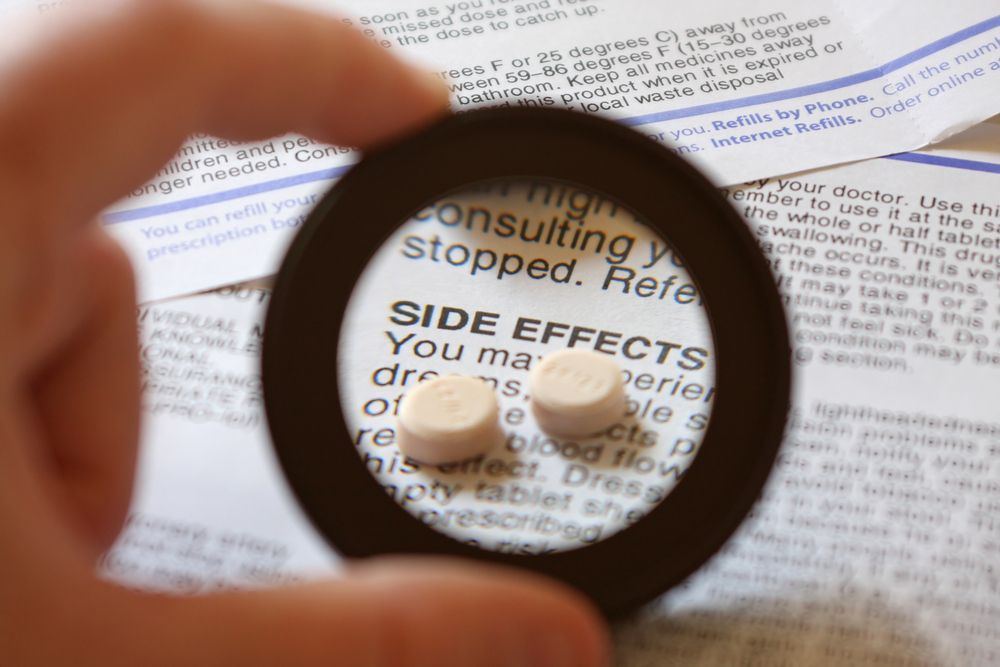
Side Effects of Missing a Dose of Albuterol
Missing a dose of Prozac can happen to anyone. Learn the possible side effects, warning signs, and safe steps to stay on track.
Side Effects of Missing a Dose of Prozac.
Prescription drugs are meant to help with pain, anxiety, and other health issues. But when they are taken the wrong way, like using higher doses, taking them without a prescription, or for non-medical reasons, they can be dangerous. This is a growing problem that affects people from all walks of
Understanding Prescription Drug Abuse: Risks, Signs, and Treatment - Understanding Prescription Drug Abuse - Commonly Misused Prescription Drugs - How Prescription Drug Abuse Starts - How Prescription Drug Abuse Affects Your Health - How Prescription Drug Abuse Can Affect Your Life - Signs and Symptoms of Prescription Drug Abuse - How to Prevent Prescription Drug Abuse - Treatment Options for Prescription Drug Addiction - How Prescription Drug Abuse Affects Families and Communities - Pharmacy CareRX
Missing a dose of Metronidazole can happen, but it may affect your recovery. Learn the side effects, risks, and what to do next.
Side Effects of Missing a Dose of Metronidazole.
Missed a Zepbound dose? Learn the side effects, how it impacts weight loss, and what to do next to stay on track.
Side Effects of Missing a Dose of Zepbound: A Complete Patient Guide
Missed an Ozempic dose and feeling unsure what happens next Learn how your body reacts and what you should do right away to stay on track.
Side Effects of Missing a Dose of Ozempic

Licensed & Certified

Palm Beach County Trusted

Mon–Fri 9 AM – 6 PM

Free Prescription Delivery

Personalized Care

Latest Pharmacy Articles

Expert medication guides and pharmacy insights to help you stay informed about your health.

Understanding Prescription Drug Abuse: Risks, Signs, and Treatment - Understanding Prescription Drug Abuse - Commonly Misused Prescription Drugs - How Prescription Drug Abuse Starts - How Prescription Drug Abuse Affects Your Health - How Prescription Drug Abuse Can Affect Your Life - Signs and Symptoms of Prescription Drug Abuse - How to Prevent Prescription Drug Abuse - Treatment Options for Prescription Drug Addiction - How Prescription Drug Abuse Affects Families and Communities - Pharmacy CareRX

Prescription Drug Abuse: Risks, Signs, and Treatment

Prescription drugs are meant to help with pain, anxiety, and other health issues. But when they are taken the wrong way, like using higher doses, taking them without a prescription, or for non-medical reasons, they can be dangerous. This is a growing problem that affects people from all walks of life, leading to serious health risks, addiction, and even life-threatening consequences.

Read More »
Understanding Prescription Drug Abuse: Risks, Signs, and Treatment - Understanding Prescription Drug Abuse - Commonly Misused Prescription Drugs - How Prescription Drug Abuse Starts - How Prescription Drug Abuse Affects Your Health - How Prescription Drug Abuse Can Affect Your Life - Signs and Symptoms of Prescription Drug Abuse - How to Prevent Prescription Drug Abuse - Treatment Options for Prescription Drug Addiction - How Prescription Drug Abuse Affects Families and Communities - Pharmacy CareRX

Prescription Drug Abuse: Risks, Signs, and Treatment

Prescription drugs are meant to help with pain, anxiety, and other health issues. But when they are taken the wrong way, like using higher doses, taking them without a prescription, or for non-medical reasons, they can be dangerous. This is a growing problem that affects people from all walks of life, leading to serious health risks, addiction, and even life-threatening consequences.

Read More »
Side Effects of Missing a Dose of Lamotrigine

Side Effects of Missing a Dose of Lamotrigine

Lamotrigine is a medication that must be taken consistently to work properly. Missing a dose can happen for many reasons, forgetting, running out of medication, or changes in routine. When this happens, many people experience symptoms and start searching for information about the side effects of missing a dose of lamotrigine. The effects of a missed dose can range from mild discomfort to serious health risks, depending on why you take lamotrigine, how long you’ve been on it, and how many doses were missed. Understanding what can happen helps you respond safely and avoid complications. What Is Lamotrigine Used For? Lamotrigine is commonly prescribed for: It works by stabilizing electrical signals in the brain. To stay effective, lamotrigine needs to maintain steady levels in your body. When a dose is missed, those levels drop, which can lead to symptoms. Why Missing a Dose of Lamotrigine Can Cause Side Effects Lamotrigine has a relatively long half-life, but missing even one dose can lower the medication level enough to trigger symptoms in some people. The side effects of missing a dose of lamotrigine depend on: Some people feel effects quickly, while others may not notice symptoms until a day or two later. Common Side Effects of Missing a Dose of Lamotrigine Many people experience mild to moderate symptoms after missing a dose. These are the most commonly reported side effects of missing a dose of lamotrigine. Mood Changes Mood changes are especially common in people taking lamotrigine for bipolar disorder. You may notice: These changes can appear within hours or the next day. Headache Headaches are frequently reported after a missed dose. They may feel dull, tight, or pressure-like and usually improve once regular dosing resumes. Dizziness or Lightheadedness A missed dose can cause dizziness, imbalance, or a spinning sensation. This may increase the risk of falls, particularly in older adults. Fatigue or Low Energy Feeling unusually tired or weak is another common effect. This happens as the brain adjusts to lower medication levels. Nausea or Stomach Upset Some people experience nausea, mild stomach pain, or reduced appetite after missing lamotrigine. Side Effects of Missing a Dose of Lamotrigine for Epilepsy For people taking lamotrigine to control seizures, missing a dose is more serious. Increased Risk of Seizures One of the most concerning side effects of missing a dose of lamotrigine is the increased risk of seizures. Even a single missed dose can reduce seizure protection in some individuals. Possible effects include: This is why consistent dosing is especially important for people with epilepsy. Side Effects of Missing a Dose of Lamotrigine for Bipolar Disorder For bipolar disorder, lamotrigine helps stabilize mood over time. Missing doses may lead to: These symptoms may worsen if doses are missed repeatedly. What Happens If You Miss More Than One Dose? Missing multiple doses increases the risk and intensity of side effects. The side effects of missing a dose of lamotrigine become more noticeable when: In these situations, restarting lamotrigine without guidance may not be safe. Can Missing Lamotrigine Cause Withdrawal-Like Symptoms? Lamotrigine does not usually cause true withdrawal. However, a sudden drop in medication levels can cause symptoms that feel similar, such as: These effects are part of the side effects of missing a dose of lamotrigine, not withdrawal in the traditional sense. What to Do If You Miss a Dose of Lamotrigine If You Remember Soon After If It’s Close to the Next Dose Doubling doses increases the risk of side effects. Missing Lamotrigine for Several Days: What You Should Know If you miss lamotrigine for more than 3 to 5 days, do not restart at your usual dose without medical advice. Restarting at a high dose after missed days may increase the risk of serious skin reactions. Your doctor may recommend restarting at a lower dose and slowly increasing it again. Serious Risks When Restarting Lamotrigine After Missed Doses One important concern is restarting lamotrigine incorrectly after missed doses. This may increase the risk of: Always consult a healthcare professional if several doses were missed. How Long Do Side Effects Last After a Missed Dose? The side effects of missing a dose of lamotrigine often improve once regular dosing resumes. If symptoms persist, medical advice is recommended. When to Seek Medical Attention Seek medical help immediately if you experience: These may indicate more serious problems beyond typical missed-dose effects. How to Reduce the Risk of Missing a Dose Preventing missed doses is the best way to avoid side effects. Helpful strategies include: Is It Ever Safe to Skip a Dose? In most cases, skipping lamotrigine is not recommended. Even occasional missed doses can reduce effectiveness or cause side effects. Any dose changes should be discussed with a healthcare provider. FAQs What are the side effects of missing a dose of lamotrigine? The most common side effects include headache, dizziness, fatigue, mood changes, anxiety, and nausea. For some people, missed doses can also increase seizure risk. Can missing one dose of lamotrigine cause seizures? Yes. In people taking lamotrigine for epilepsy, missing even one dose may increase the risk of seizures, especially if doses are missed regularly. How soon do side effects appear after missing lamotrigine? Side effects can appear within a few hours or up to a day after a missed dose, depending on the individual and the condition being treated. What should I do if I forget to take lamotrigine? If you remember soon, take the missed dose. If it is close to your next dose, skip the missed dose and continue your normal schedule. Do not double the dose. Is it dangerous to miss lamotrigine for several days? Yes. Missing lamotrigine for several days can increase health risks and may require restarting the medication at a lower dose under medical supervision. Can I restart lamotrigine at my normal dose after missing doses? Not always. After missing multiple doses, restarting at the original dose may increase the risk of serious side effects. A healthcare provider should guide restarting. Can missing lamotrigine


Read More »
What is the Placebo Effect

What is the Placebo Effect? A Complete Guide

When you take a pill, undergo a procedure, or receive an injection, you usually expect it to have an active medical ingredient that improves your health. But what if the pill had no medicine inside—just sugar or a harmless substance? Surprisingly, many people would still feel better. This fascinating phenomenon is called the placebo effect, and it’s one of the most intriguing intersections of psychology and medicine. In this blog, we’ll explore what is the placebo effect: how it works, why it matters in clinical trials, and the debates surrounding its use. We’ll also touch on related concepts like the nocebo effect and open-label placebos. By the end, you’ll see why this “mind-over-matter” effect has become such a powerful subject of medical research. Understanding the Placebo Effect The placebo effect occurs when someone experiences real improvements in their symptoms after receiving a treatment that has no active medical properties. The key factor isn’t the pill or injection itself—it’s the person’s belief and expectation that the treatment will help. For example, if someone with chronic pain takes a sugar pill (believing it’s strong pain medication), their brain may actually reduce pain signals, leading to genuine relief. This shows that the placebo effect is more than “all in the head.” It can influence how the body functions in measurable ways. How Does the Placebo Effect Work? Scientists believe the placebo effect is linked to the powerful connection between the mind and body. Here are some of the mechanisms that may explain how it works: Factors That Make Placebos More Effective Not every placebo works the same way. Several factors can strengthen the placebo effect: This shows that the placebo effect isn’t just about the treatment itself—it’s also shaped by environment, trust, and context. Placebos in Clinical Trials The placebo effect plays a crucial role in modern medicine, particularly in clinical trials. When researchers test a new drug, they need to know whether the benefits come from the medication itself—or from the patient’s expectations. That’s why many studies are randomized and double-blind: some participants get the real drug, while others receive a placebo, and neither the doctors nor patients know which is which. If the drug performs better than the placebo, it shows true medical effectiveness. Without placebos, it would be nearly impossible to separate genuine drug effects from psychological influences. Placebo Effect Doesn’t Mean “Fake Illness” A common misunderstanding is that if someone responds to a placebo, their illness must have been “imaginary.” This couldn’t be further from the truth. So, while a placebo might not cure diseases like cancer or infections, it can still provide real relief and improve quality of life. The Debate: Are Placebos Ethical? The use of placebos sparks a lot of debate in the medical community. Arguments in favor: Arguments against: This ethical tension makes the use of placebos outside clinical trials highly controversial. The Nocebo Effect: The Dark Side If believing in treatment can make us feel better, then believing in negative outcomes can make us feel worse. This is known as the nocebo effect. For example: The nocebo effect highlights the importance of communication between doctors and patients. Words, tone, and expectations matter greatly in medical care. Open-Label Placebos: Placebos Without Deception Traditionally, placebos required some level of trickery. But recent research has introduced the idea of open-label placebos—where patients know they are taking a placebo, yet still experience benefits. Studies show that even when patients are told, “This pill has no active drug, but research suggests it may still help,” many still report improvement. This suggests that the ritual of treatment itself can trigger healing responses, even without deception. When and Where to Seek Help While the placebo effect is fascinating, it’s important to remember: That said, the placebo effect reminds us of the power of positive thinking, trust, and expectation—all of which can enhance real medical care. Conclusion The placebo effect is a powerful reminder of how closely our minds and bodies are connected. Far from being “fake medicine,” it demonstrates that belief, trust, and expectation can create real improvements in health. From shaping the outcome of clinical trials to influencing everyday experiences of pain and well-being, the placebo effect continues to fascinate scientists and patients alike. While it should never replace real medical treatment, understanding the placebo effect helps us appreciate the role of psychology in healing—and why hope and positive expectations remain such powerful allies in medicine. Frequently Asked Questions (FAQs) 1. Is the placebo effect real or just psychological? It is very real. Placebos can trigger measurable changes in brain activity, hormones, and even physical symptoms. 2. Can placebos cure serious diseases? No. While placebos may relieve symptoms like pain or fatigue, they cannot treat or cure diseases such as cancer or infections. 3. Why do doctors use placebos in research? To separate the true effects of a drug from improvements caused by expectations or belief. 4. Can children experience the placebo effect? Yes, children are often highly responsive because of strong trust in caregivers and doctors. 5. What is the difference between the placebo effect and the nocebo effect? The placebo effect improves symptoms due to positive expectations, while the nocebo effect worsens symptoms due to negative expectations.

Read More »
Generic selectors
Exact matches only
Search in title
Search in content
Post Type Selectors
post