
Side Effects of Missing a Dose of Depakote
Depakote is a medication that plays an important role in












Depakote is a medication that plays an important role in
When you are prescribed medication, taking it exactly as directed

When it comes to healthcare and medication safety, one term

Prescription medications are an important part of healthcare in Florida.

Medication only works if it is taken correctly. Yet, across

In the world of healthcare, especially in specialty pharmacy and

When it comes to medication administration, precision is key, particularly
Many people are surprised to learn that cutting pills in

Medication Therapy Management (MTM) is a service that empowers patients

In today’s world, healthcare is more advanced than ever, with
Depakote is a medication that plays an important role in managing several serious conditions such as epilepsy, bipolar disorder, and migraine headaches. It helps control seizures, balance mood, and prevent recurring migraines by keeping certain chemicals in the brain stable. Because it affects the brain and nervous system, Depakote needs to be taken regularly and at the same time every day. Missing a dose can sometimes cause unwanted side effects or reduce the medicine’s effectiveness. In some cases, skipping a dose may even lead to a return of symptoms or more serious health problems. This guide explains what Depakote is, how it works, what happens if you miss a dose, and what steps you should take to stay safe and on track with your medication. What Is Depakote? Depakote is the brand name for divalproex sodium, a medicine that belongs to a group of drugs known as anticonvulsants or mood stabilizers. It works by increasing levels of a natural substance in the brain called GABA (gamma-aminobutyric acid). GABA helps calm overactive brain activity and stabilizes mood. Doctors prescribe Depakote for several reasons: Depakote comes in different forms, including tablets, capsules, and liquid solutions. It can be taken once or multiple times daily, depending on the dose and condition being treated. How Depakote Works in the Body Depakote helps maintain a steady balance of neurotransmitters in the brain. These are the chemical messengers that control how nerve cells communicate. For example: For Depakote to work effectively, your body must maintain a stable level of the drug in your bloodstream. Skipping a dose disrupts that balance, which can cause your symptoms to return or worsen. Why Missing a Dose Matters Missing a single dose of Depakote might not cause serious harm for everyone, but it can still create problems, especially if missed doses happen often. The medication works best when it is taken consistently because of its narrow therapeutic range. This means that too little of the drug may not work, and too much can cause toxicity. Missing doses can make your blood levels drop below the effective range, reducing the medicine’s ability to prevent seizures, mood swings, or migraines. What Happens If You Miss a Dose The side effects and consequences of missing a dose of Depakote depend on several factors, including: Let’s look at what may happen in different situations. 1. For People with Epilepsy Missing a dose of Depakote can increase the risk of a seizure. Even one missed dose can lower the drug’s level in your blood enough to trigger seizure activity. Possible side effects include: If seizures return, it can be dangerous, especially if they occur while driving, swimming, or operating machinery. People with epilepsy should take extra care never to skip doses. 2. For People with Bipolar Disorder Depakote helps keep mood swings under control. When doses are missed, the brain chemistry that Depakote balances may shift again, leading to emotional instability. Possible side effects include: Missing several doses may cause mood episodes to return gradually or suddenly, depending on the person’s sensitivity. 3. For People Taking Depakote for Migraines Depakote works preventively, meaning it helps stop migraines before they start. Missing doses can reduce this protection. Possible effects include: For migraine prevention, consistency is important even if you do not feel symptoms every day. General Side Effects After Missing a Dose When you skip a dose, your blood levels of Depakote drop. If the next dose is taken later than scheduled, the sudden change can affect the brain and nervous system. You may experience: If you miss multiple doses, these effects can worsen and your symptoms may return strongly. What to Do If You Miss a Dose Missing a dose of Depakote can happen to anyone. The most important thing is not to panic but to handle it correctly. Step 1: Take the Missed Dose as Soon as You Remember If you realize you missed a dose within a few hours of your scheduled time, take it right away. Then, take your next dose at your regular time. For example, if you usually take Depakote at 8 a.m. and remember at 10 a.m., go ahead and take it. Step 2: Skip It If It’s Almost Time for the Next Dose If it’s close to the time for your next scheduled dose, skip the missed one. Taking two doses too close together can increase the risk of side effects such as nausea, dizziness, or drowsiness. Step 3: Do Not Double Dose Never take two doses at once to “make up” for a missed one. Doubling the dose can lead to valproic acid toxicity, which can cause: If you accidentally take too much, contact your doctor or go to the nearest emergency room right away. Step 4: Resume Your Normal Schedule Continue taking Depakote at your usual time the next day. Try to keep a routine that makes it harder to forget, such as setting phone reminders or using a pill organizer. Signs That Missing Doses Is Affecting You Sometimes it’s not easy to tell whether missing a dose has affected your body. Watch for these signs that indicate your Depakote levels may have dropped too low: If you experience any of these changes, contact your healthcare provider. They may want to check your blood levels or adjust your medication plan. Why You Should Never Stop Depakote Suddenly Stopping Depakote suddenly can be dangerous. The body becomes used to the medication, and sudden withdrawal can lead to serious side effects, including: Always consult your doctor before making any changes to your Depakote dosage. If your doctor decides to discontinue the medication, they will reduce your dose gradually to avoid withdrawal effects. How to Prevent Missed Doses Consistency is key for any long-term medication. Here are some practical ways to help you remember every dose: 1. Set Alarms or Reminders Use your phone, watch, or smart device to set daily reminders at the exact time you need to take Depakote. 2. Use a Pill Organizer Weekly or
When you are prescribed medication, taking it exactly as directed is very important. Missing doses can change how the medicine works in your body and sometimes cause uncomfortable or even harmful side effects. One medicine where this is especially true is guanfacine. Guanfacine is a prescription medication often used to treat high blood pressure and attention deficit hyperactivity disorder (ADHD). It works by affecting certain receptors in the brain that help relax blood vessels and control nerve signals. This helps lower blood pressure and also improves attention and impulse control in patients with ADHD. If you are taking guanfacine and you miss a dose, your body may react in ways you do not expect. This article will explain in simple terms the side effects of missing a dose of guanfacine, what to do if it happens, and how you can prevent problems in the future. What is Guanfacine? Before we talk about missed doses, it helps to understand what guanfacine does. There are two main forms of guanfacine: The way your body reacts to a missed dose can depend on which form you are taking. Why Missing a Dose Matters Some medicines stay in the body for a long time, so missing one dose may not cause noticeable problems. Guanfacine, however, affects the nervous system in a way that makes regular dosing very important. When you take guanfacine regularly, your body adjusts to the calming effects on blood vessels and brain activity. Missing a dose suddenly takes away that effect, which can cause a rebound reaction. This reaction is more likely if you stop guanfacine completely or miss several doses in a row, but it can also happen after a single missed dose in some people. Side Effects of Missing a Dose of Guanfacine The side effects can vary depending on whether you are taking guanfacine for high blood pressure or ADHD. Below are the most common problems that may happen. 1. Increase in Blood Pressure For patients taking guanfacine for high blood pressure, missing a dose can cause your blood pressure to rise again. Sometimes this increase can be sharp and lead to symptoms such as: This effect is sometimes called rebound hypertension. It means your blood pressure may go higher than it was before you started taking the medicine. 2. Fast Heartbeat Missing a dose of guanfacine may also cause your heart to beat faster. This is because the calming effect on the nervous system is suddenly reduced. A racing heart can make you feel anxious or uncomfortable, and in people with heart conditions it may be more serious. 3. Irritability and Restlessness For patients taking guanfacine for ADHD, a missed dose can bring back symptoms like irritability, difficulty focusing, and restlessness. Children and teens may seem more hyperactive, and adults may notice more trouble concentrating. 4. Trouble Sleeping Guanfacine often has a calming effect that can improve sleep. Missing a dose may cause sleep problems such as: 5. Nervousness and Anxiety Because guanfacine works on brain receptors that calm nerve signals, missing a dose may cause a temporary increase in nervousness or anxiety. Some people may also feel more emotional or easily upset. 6. Return of ADHD Symptoms For those using guanfacine to treat ADHD, missing a dose can lead to the return of core symptoms such as: These symptoms may not appear right away but can become noticeable within hours or by the next day. 7. Rare but Serious Effects In rare cases, missing doses of guanfacine over several days could cause more serious problems such as – If these happen, medical attention is needed immediately. What To Do If You Miss a Dose If you realize you forgot to take guanfacine, here are the general steps most doctors recommend: Because individual situations vary, it is always best to ask your doctor or pharmacist what to do if you miss a dose. How To Prevent Problems from Missed Doses Since missing a dose can cause side effects, it is best to take steps to prevent it from happening often. Here are some practical tips: When To Contact Your Doctor You should contact your doctor if: Never stop guanfacine suddenly without medical guidance. Doctors often recommend slowly reducing the dose if you need to stop, to avoid rebound effects. FAQs on Guanfacine and Missed Doses 1. Can I stop taking guanfacine if I feel fine? No. Even if you feel better, guanfacine should not be stopped suddenly without a doctor’s guidance. Stopping on your own can cause your blood pressure to rise quickly or ADHD symptoms to return strongly. Doctors usually reduce the dose slowly to prevent side effects. 2. What happens if I accidentally take two doses of guanfacine? Taking too much guanfacine at once can cause very low blood pressure, extreme sleepiness, dizziness, or fainting. If you accidentally take two doses, contact your doctor or local poison control right away. 3. Does guanfacine withdrawal cause side effects? Yes. If guanfacine is stopped suddenly, your body may react with rebound high blood pressure, fast heartbeat, headaches, or irritability. That is why tapering under medical supervision is important. 4. Is it more dangerous for children to miss a dose of guanfacine than adults? Missing a single dose is not usually dangerous, but children may notice ADHD symptoms coming back quickly, such as hyperactivity or poor focus. Parents should keep a consistent routine to avoid missed doses. 5. Can missing a dose of guanfacine affect school performance in children with ADHD? Yes. Missing a dose can bring back symptoms like trouble concentrating, restlessness, and irritability. This may affect schoolwork or classroom behavior. Consistency is key for good results. 6. If I miss a dose at night, should I take guanfacine in the morning instead? It depends on how close it is to your next scheduled dose. If it is only a few hours late, take it as soon as you remember. If it is almost time for the next dose, skip the missed one. Do not double up. Always follow your doctor’s specific advice. 7. Can guanfacine cause rebound
When it comes to healthcare and medication safety, one term you may come across is therapeutic duplication. At first, it might sound complicated, but the concept is actually quite simple once broken down. In basic terms, therapeutic duplication occurs when a person is prescribed two or more medications from the same therapeutic category or with the same intended effect. This duplication can sometimes be intentional, but often it is not. When it happens by mistake, it may increase the risk of side effects, drug interactions, or unnecessary costs. Because of these concerns, healthcare providers and pharmacists pay close attention to therapeutic duplication as part of medication safety checks. This guide will walk you through everything you need to know about the topic. By the end, you will understand not only what therapeutic duplication is, but also why it happens, what risks it poses, how it can be prevented, and what patients can do to protect themselves. What Is Therapeutic Duplication? Therapeutic duplication is the use of more than one medicine that belongs to the same therapeutic class, or that provides the same type of treatment effect. In other words, it happens when a person takes two or more drugs that essentially do the same job. For example: This duplication can occur for many reasons, such as miscommunication between healthcare providers, overlapping prescriptions from multiple doctors, or simply a lack of awareness. Why Does Therapeutic Duplication Happen? Even with today’s advanced healthcare systems, therapeutic duplication is not rare. There are several common reasons it happens: 1. Multiple Healthcare Providers Patients often see more than one doctor, especially if they have chronic conditions. Each provider may prescribe medications without full knowledge of what the other has prescribed. 2. Poor Medication Records If medical records are incomplete or not updated, providers may not see the complete list of a patient’s medications, leading to duplicate therapies. 3. Similar-Sounding Medications Sometimes drugs have similar names or are marketed under different brand names. A patient may end up with two drugs that are nearly identical but appear different at first glance. 4. Over-the-Counter Medications Patients may add over-the-counter drugs or supplements to their routine without realizing they overlap with prescribed medications. 5. Lack of Patient Awareness Patients may not always know what their medications are for. If they are unaware, they may not recognize when two medications serve the same purpose. Examples of Therapeutic Duplication To understand what therapeutic duplication is more clearly, here are a few practical examples: Is Therapeutic Duplication Always Bad? Not always. In some cases, doctors may intentionally prescribe two medications from the same class for short-term use or in special medical situations. This is known as therapeutic overlap. For example: However, when duplication happens unintentionally, it usually does not provide extra benefits and only increases risks. The Risks of Therapeutic Duplication Therapeutic duplication may cause serious problems if it goes unnoticed. The main risks include: 1. Side Effects Using two drugs from the same class can double the risk of side effects. For instance, two sedatives taken together may cause excessive drowsiness and slow breathing. 2. Overdose When drugs overlap, patients may unknowingly take more than the recommended dose of a certain type of medicine. This can lead to toxicity or poisoning. 3. Drug Interactions Some medications, when taken together, interact in harmful ways. Duplication can increase the chances of such interactions. 4. Higher Costs Patients may spend more money on extra medications they do not actually need. 5. Reduced Treatment Effectiveness In some cases, duplication may not cause harm but may also not improve health. The patient ends up taking unnecessary medications without added benefits. How Is Therapeutic Duplication Detected? Healthcare professionals use several strategies to detect and prevent duplication: How to Prevent Therapeutic Duplication Both healthcare providers and patients play a role in prevention. For Healthcare Providers: For Patients: What Should You Do If You Suspect Therapeutic Duplication? If you think you might be taking two drugs that do the same thing, here are the steps you can take: The Role of Pharmacists in Preventing Therapeutic Duplication Pharmacists are the last line of defense before a medication reaches a patient. They play a critical role in: This makes pharmacists essential partners in patient safety. The Importance of Patient Education One of the strongest tools in preventing therapeutic duplication is patient awareness. When patients understand what each of their medications is for, they are less likely to take unnecessary or overlapping drugs. Healthcare providers can help by: Patients, in turn, should feel empowered to seek clarity whenever they are unsure. Real-Life Scenarios of Therapeutic Duplication Case 1: Elderly Patient with Multiple Prescribers An older adult sees a cardiologist, a primary care doctor, and a rheumatologist. Each prescribes medications, but because records are not fully shared, the patient ends up taking two different calcium channel blockers for high blood pressure. This duplication increases the risk of dangerously low blood pressure. Case 2: Over-the-Counter Overlap A patient takes prescription loratadine for allergies but also buys diphenhydramine over the counter for additional relief. Without realizing it, the patient is duplicating antihistamine therapy, which results in severe drowsiness. Case 3: Chronic Pain Management A patient receives prescriptions for ibuprofen and naproxen from two different doctors. Both are NSAIDs, and when taken together, the duplication raises the risk of stomach bleeding. These cases show how easily duplication can happen and why careful management is necessary. Therapeutic Duplication in Hospitals Hospitals are especially cautious about duplication because patients are often prescribed multiple medications at once. To reduce risks, hospitals use strategies such as: Despite these efforts, duplication can still occur if communication breaks down. That is why ongoing vigilance is so important. The Future of Preventing Therapeutic Duplication Advances in digital health may make duplication easier to prevent. Some promising developments include: As technology improves, the hope is that duplication will become less common. FAQs 1. What is therapeutic duplication in simple words? Therapeutic duplication means taking two or more medicines that do the same
Prescription medications are an important part of healthcare in Florida. They help people manage health conditions, recover from illnesses, and prevent more serious problems. From heart health to allergies, doctors in Florida prescribe a wide range of medicines every day. Florida is home to a mix of age groups. There are retirees, working adults, students, and families with young children. Because of this variety, the list of commonly prescribed medications includes drugs for both short-term illnesses and long-term health conditions. Some are used to treat chronic diseases like diabetes and high blood pressure, while others help with seasonal allergies or infections. In this guide, we will explore the most commonly prescribed medications in Florida. We will look at what they are used for, how they work, and why they are important for residents of the Sunshine State. You will also find tips for safe medication use and an understanding of why certain prescriptions are more common here than in other parts of the country. Why Prescription Medications Are Important Prescription medications are more than just treatments for symptoms. They are targeted tools designed to address specific medical needs. When prescribed by a healthcare provider, they can: However, prescription medications must be taken exactly as directed. Taking too much, skipping doses, or stopping too early can be harmful. Understanding how and why you are taking medication is an important part of staying healthy. Common Health Needs in Florida Florida’s healthcare landscape is shaped by its population and environment. Several factors influence which medications are prescribed most often: These factors create patterns in the types of medications doctors in Florida prescribe most frequently. The Most Commonly Prescribed Medication Categories Below, we explore each category of commonly prescribed medications in Florida. For each, we look at examples, what they are used for, and why they are so common in the state. 1. Heart and Blood Pressure Medications Heart disease is one of the leading health concerns in Florida. Many residents live with high blood pressure, high cholesterol, or other heart-related issues. Doctors often prescribe the following types of medications: Statins Examples: atorvastatin (Lipitor), rosuvastatin (Crestor) Purpose: Lower cholesterol levels to reduce the risk of heart attack and stroke. ACE inhibitors Examples: lisinopril, enalapril Purpose: Relax blood vessels, lower blood pressure, and reduce strain on the heart. Beta blockers Examples: metoprolol, atenolol Purpose: Slow the heart rate and lower blood pressure to help manage heart conditions. Diuretics Examples: hydrochlorothiazide, furosemide Purpose: Help the body remove excess salt and water, lowering blood pressure and reducing swelling. These medications are often taken daily and can be lifelong treatments for people with chronic heart or blood pressure problems. 2. Diabetes Medications Diabetes, especially Type 2 diabetes, is common in Florida. Managing blood sugar levels is key to preventing complications like nerve damage, kidney problems, and heart disease. Metformin Purpose: Improves how the body uses insulin and lowers sugar production in the liver. Often the first medication prescribed for Type 2 diabetes. Insulin Purpose: Replaces or supplements the insulin the body cannot produce. Comes in short-acting and long-acting forms. GLP-1 receptor agonists Examples: semaglutide (Ozempic), dulaglutide (Trulicity) Purpose: Lower blood sugar levels and sometimes help with weight management. These medications require regular monitoring through blood tests to ensure blood sugar stays within a healthy range. 3. Mental Health Medications Mental health is a major focus in Florida, as it is across the United States. Depression, anxiety, and insomnia affect people of all ages. Doctors prescribe a variety of medications to manage these conditions. SSRIs (Selective Serotonin Reuptake Inhibitors) Examples: sertraline (Zoloft), escitalopram (Lexapro) Purpose: Help balance brain chemicals linked to mood and are commonly used for depression and anxiety. SNRIs (Serotonin-Norepinephrine Reuptake Inhibitors) Examples: duloxetine (Cymbalta), venlafaxine (Effexor) Purpose: Used for depression, anxiety, and sometimes nerve pain. Benzodiazepines Examples: alprazolam (Xanax), lorazepam (Ativan) Purpose: Prescribed for short-term relief of anxiety or panic attacks. Sleep aids Examples: zolpidem (Ambien) Purpose: Help with short-term treatment of insomnia. Mental health medications can greatly improve daily life but require careful monitoring to manage side effects and avoid dependency. 4. Medications for Infections Infections can spread quickly in Florida’s warm climate. Common conditions include sinus infections, respiratory infections, and urinary tract infections. Amoxicillin Purpose: Treats ear, throat, sinus, and respiratory infections. Azithromycin Purpose: Often used for bronchitis, pneumonia, and certain skin infections. Ciprofloxacin Purpose: Common for urinary tract infections and digestive system infections. It is important to complete the full course of antibiotics even if symptoms improve to prevent antibiotic resistance. 5. Allergy and Asthma Medications Allergies are common in Florida due to pollen, mold, and other environmental triggers that can be present all year. Asthma is also a concern for many residents. Antihistamines Examples: loratadine (Claritin), cetirizine (Zyrtec) Purpose: Relieve sneezing, runny nose, and itchy eyes. Nasal sprays Examples: fluticasone, mometasone Purpose: Reduce inflammation in nasal passages. Inhaled corticosteroids Examples: fluticasone, budesonide Purpose: Reduce airway inflammation for asthma control. Bronchodilators Examples: albuterol Purpose: Provide quick relief during asthma attacks by relaxing airway muscles. 6. Pain Relief Medications Pain can result from injuries, surgeries, arthritis, or other chronic conditions. Doctors in Florida prescribe a variety of pain medications depending on the cause and severity. NSAIDs (Nonsteroidal Anti-inflammatory Drugs) Examples: ibuprofen, naproxenPurpose: Reduce pain and inflammation. Acetaminophen Purpose: Treat mild to moderate pain and fever. Prescription-strength NSAIDs Purpose: Provide stronger pain relief for more severe conditions. Opioids Examples: oxycodone, hydrocodonePurpose: Prescribed for short-term severe pain. These carry a risk of dependency and are used with caution. Nerve pain medications Examples: gabapentin, pregabalinPurpose: Used for nerve-related pain conditions. Safety Tips for Taking Prescription Medications No matter what type of medication you take, safety is critical. Here are some key guidelines: Why These Prescriptions Are Common in Florida Several reasons explain why these medications are prescribed so often in Florida: FAQs Do prescription medication prices vary across Florida? Yes, prices can vary depending on the pharmacy, insurance coverage, and whether you are in a rural or urban area. Some areas may have discount programs or
Medication only works if it is taken correctly. Yet, across the healthcare system, a large number of patients do not follow their medication regimens as prescribed. This issue, known as medication non-adherence, affects millions of people and leads to poor health outcomes, preventable hospitalizations, and higher medical costs. Improving medication adherence is not just about reminding people to take their pills. It requires thoughtful education, communication, and support from the entire care team, especially from pharmacists who see patients regularly and have the trust of their communities. In this guide, we will explore practical and effective ways to improve medication adherence. Whether you are a pharmacist, pharmacy technician, nurse, or care coordinator, these strategies can help you guide your patients toward better health, one dose at a time. What Is Medication Adherence and Why Is It Important? Medication adherence means taking medications exactly as prescribed by a healthcare provider. This includes the right dose, at the right time, for the right duration. When patients skip doses, stop taking their medications early, or don’t fill prescriptions at all, the result is often a worsening of their condition. This is especially true for chronic illnesses like diabetes, heart disease, asthma, and depression, where daily medication use is essential. Poor adherence can lead to: The good news is that small changes in pharmacy practice and patient communication can make a big difference. Common Reasons Patients Do Not Take Their Medications Understanding the root causes of non-adherence is the first step to addressing it. Here are some of the most common reasons patients do not take their medications as prescribed: Now let’s explore how to tackle these issues one by one. 1. Educate Patients About Their Medication Clear, simple education is one of the best ways to improve adherence. Patients need to understand why they are taking each medication, how it works, and what to expect. When a patient picks up a new prescription, take a moment to explain: Use language that is easy to understand. Avoid technical terms when possible. Ask patients if they have any questions and encourage them to call or stop by if they need help later. 2. Build Trust Through Relationships Trust is a powerful tool in healthcare. Patients are more likely to follow advice from someone they know and feel comfortable with. Pharmacists and their teams often see patients more regularly than doctors do. Use this time to build a friendly, respectful relationship. Ask how they are doing, show interest in their lives, and create an environment where patients feel safe to ask questions or share concerns. A patient who feels seen and heard is more likely to return, refill prescriptions, and stay on track. 3. Make Communication Personal and Ongoing Medication adherence is not a one-time conversation. It requires ongoing support and follow-up. Use every refill pickup as a chance to check in: If your pharmacy offers text messages or phone calls, use them to remind patients about upcoming refills or to follow up on new therapies. Keep the tone friendly and supportive, not pushy. Sometimes, a simple reminder or a check-in can prompt a patient to stay on course. 4. Simplify the Medication Regimen One common reason for poor adherence is complexity. Some patients take multiple medications at different times throughout the day, which can become confusing and hard to manage. Here are ways to simplify: By making the routine easier, patients are more likely to stick with it. 5. Use Tools and Reminders Some patients need help remembering to take their medications. Others benefit from tools that help them stay organized. Recommend solutions like: Ask the patient about their lifestyle and preferences. A tech-savvy person might love an app, while someone else may prefer a paper chart on the wall. 6. Engage the Whole Pharmacy Team Improving medication adherence is a team effort. Pharmacy technicians, clerks, and support staff can all play a role in helping patients stay on track. Train your team to: When everyone in the pharmacy works together with the same goal, patient care improves. 7. Coordinate With Prescribers A strong relationship between the pharmacy and prescriber is key. When a pharmacist notices a pattern of non-adherence or sees that a medication is not being refilled, they can contact the doctor to discuss it. This kind of coordination shows the patient that their care team is working together. It also helps resolve issues like side effects, confusion about the prescription, or even finding a more affordable option. Building a partnership with local providers helps everyone stay informed and focused on the patient’s success. 8. Offer Medication Synchronization Medication synchronization is a service that allows patients to pick up all of their medications on the same day each month. This reduces the number of trips to the pharmacy and ensures they never run out of essential medications. This service also benefits the pharmacy by creating a more predictable workflow and giving pharmacists more time for counseling sessions or medication reviews. Many pharmacies offer synchronization programs at no extra cost. Enroll patients who take multiple medications and explain how it works. Most will be grateful for the simplicity. 9. Provide Medication Therapy Management (MTM) Medication therapy management is a valuable tool to review a patient’s full medication list, check for interactions, and offer education and support. These one-on-one sessions allow the pharmacist to: MTM sessions can be scheduled in advance and offer a more private space to have important conversations. Many health plans support MTM services and reimburse pharmacies for offering them. This is not only good for patients but also a smart business strategy for independent pharmacies. Conclusion Medication adherence is not just about remembering to take pills. It’s about helping people feel confident in their treatment, understand their health, and stay connected to the care they need. When patients miss doses or stop treatment early, the results can be serious. But with the right support, most adherence issues can be prevented. Independent pharmacies like Care RX play a powerful role in
In the world of healthcare, especially in specialty pharmacy and outpatient care, the term brown bagging has a very different meaning from the more casual idea of bringing lunch to work. In this context, brown bagging refers to patients picking up their medications, typically high-cost, specialty drugs, from a pharmacy and then transporting those medications to a clinic, hospital, or infusion center where a healthcare professional administers them. This guide explores what is brown bagging in the medical world, how it works, when it’s used, its benefits and risks, and how it compares with similar practices like white bagging and clear bagging. What is Brown Bagging in Healthcare? Brown bagging is when a patient obtains their prescribed specialty medication from a pharmacy, often a specialty pharmacy and then brings that medication to their healthcare provider for administration. The medication may be: The name “brown bagging” comes from the idea that patients literally carry the medication, often in a bag, from the pharmacy to the clinic or hospital. Although the bag is not always brown, the term stuck and is now widely used in medical billing, pharmacy policies, and payer guidelines. When is Brown Bagging Used? Brown bagging is most common in: It is especially relevant when: How the Brown Bagging Process Works The steps generally look like this: A physician prescribes a specialty drug for treatment. The patient or provider sends the prescription to a specialty pharmacy, either chosen by the patient or mandated by the insurance company. The pharmacy dispenses the medication and either sends it to the patient or to their home. The patient physically brings the medication to their next appointment at the infusion center or clinic. The provider checks, stores (if needed), and administers the drug according to clinical protocols. Why Do Some Healthcare Systems Use Brown Bagging? There are a few reasons brown bagging is used: 1. Insurance Requirements Some insurance plans prefer or require that specialty medications be filled by a contracted pharmacy. They may not allow providers to bill the insurer directly for the drug, so patients must supply it. 2. Cost Savings In theory, brown bagging can lower costs for health plans or employers by using network-negotiated pharmacy rates rather than hospital markup rates. 3. Drug Availability Certain niche or hard-to-source medications may only be available through a specialty pharmacy rather than a local hospital pharmacy. Potential Risks of Brown Bagging While brown bagging may seem convenient or cost-effective in some situations, it raises several important concerns: 1. Temperature Control and Storage Many specialty medications require strict temperature control (cold chain) and careful handling. There is a risk that patients might not store the medication correctly between pickup and administration. 2. Drug Integrity Providers cannot always verify if the drug was tampered with, stored properly, or exposed to conditions that could compromise its safety and effectiveness. 3. Accountability Issues If the drug is defective or spoiled during transport, neither the pharmacy nor the provider may want to accept responsibility, leaving the patient vulnerable. 4. Regulatory and Legal Barriers Some states or facilities prohibit or discourage brown bagging because of liability and safety concerns. Additionally, pharmacy boards may have rules limiting this practice. 5. Administrative Complexity Coordinating delivery, patient education, and proper handling adds administrative work for patients, providers, and care coordinators. How is Brown Bagging Different from White Bagging? White bagging is a related but different practice. In white bagging, the specialty pharmacy ships the medication directly to the healthcare provider or facility, not the patient. The provider stores and administers the drug on-site. Key differences: Feature Brown Bagging White Bagging Who receives the medication? The patient The healthcare provider Who transports it to the clinic? The patient Direct shipment from pharmacy Risk of mishandling? Higher, due to patient handling Lower, due to controlled shipping Commonly used in? Outpatient/home care Infusion centers/hospitals Storage liability Falls on patient Falls on provider What About Clear Bagging? Clear bagging is a newer term that applies when the health system’s own pharmacy dispenses the drug and sends it internally to the provider for administration. It combines the benefits of white bagging with fewer third-party issues. Clear bagging ensures: Safety Guidelines for Brown Bagging When brown bagging is used, it’s important to follow best practices to ensure safety and compliance: Payer and Provider Perspectives Health plans may see brown bagging as a way to control drug spend. However, providers often raise concerns: Some hospitals have strict no-brown-bagging policies. Others permit it but only under clear protocols and documentation. Pros and Cons of Brown Bagging Pros Cons Conclusion So, what is brown bagging in healthcare? It’s a system where patients obtain specialty drugs from external pharmacies and bring them to a facility for administration. While it can offer benefits such as cost savings and patient choice, it also introduces concerns related to drug safety, legal liability, and care coordination. As healthcare continues to shift toward outpatient care and home-based treatments, brown bagging may remain part of the landscape, but only when supported by strong patient education, proper oversight, and clear policies. Whether you’re a patient, provider, or payer, understanding what is brown bagging can help you make informed decisions about how medications are delivered and managed.
When it comes to medication administration, precision is key, particularly when determining the appropriate dose for a patient. One of the most common methods to achieve this precision is weight-based medication dosing. This approach ensures that the patient receives an optimal dose based on their body weight, improving the effectiveness and safety of the treatment. This guide provides an in-depth look into weight-based medication dosing, its importance, calculation methods, and practical applications in medical settings. What is Weight-Based Medication Dosing? Weight-based medication dosing refers to the practice of adjusting the dosage of medications according to a patient’s body weight. This method is often used in a variety of therapeutic areas, especially for drugs that require a precise therapeutic range to be effective. The primary goal is to administer the right amount of medication to achieve the desired clinical effect without causing toxicity or insufficient therapeutic response. This type of dosing is commonly employed in pediatric care, oncology, critical care, and anesthesiology, where patients may have a wide range of body sizes and responses to medications. Additionally, certain drugs, particularly those with a narrow therapeutic index, benefit from weight-based dosing to minimize risks and maximize effectiveness. Why is Weight-Based Dosing Important? Accurate medication dosing is crucial for several reasons: Weight-based dosing allows for a more personalized treatment plan that better fits the unique characteristics of each patient, including their metabolic rate, organ function, and disease state. Drugs that are dosed incorrectly can lead to serious complications. Weight-based dosing minimizes this risk by tailoring the dose to the individual’s body mass. By calculating the appropriate dose based on weight, the likelihood of achieving the optimal therapeutic effect is significantly increased. This is especially important for drugs with a narrow therapeutic index, such as chemotherapeutic agents or anticoagulants. The body’s ability to absorb, distribute, and metabolize medications can vary greatly depending on a person’s size. Weight-based dosing ensures that medications are distributed properly, enhancing their efficacy. How is Weight-Based Medication Dosing Calculated? The calculation for weight-based medication dosing depends on the specific medication being administered and the patient’s weight. Below are some general steps for calculating the appropriate dose: The first step in weight-based dosing is obtaining an accurate measurement of the patient’s weight. This is usually done in kilograms (kg) but may also be in pounds (lbs), depending on the region. For weight-based dosing, kilograms are often preferred as they align better with most dosing recommendations. Each medication has a specific dosing formula, which typically includes a dose per unit of weight (mg/kg or mcg/kg). For instance, a medication might be dosed at 5 mg per kilogram of body weight. The general formula for weight-based dosing is: Dose=Weight (kg)×Dose per unit weight (mg/kg or mcg/kg) For example, if a patient weighs 70 kg and the prescribed medication dose is 10 mg/kg, the total dose would be: Dose=70kg×10mg/kg=700mg It’s important to consider other factors, such as the patient’s age, renal function, liver function, and specific health conditions that might affect drug metabolism. This can lead to dose adjustments. Depending on the medication and practical considerations, the calculated dose may need to be rounded to a convenient value based on available tablet or vial sizes. Applications of Weight-Based Medication Dosing Weight-based medication dosing is used across a variety of medical fields and therapeutic areas. Some of the most common include: Pediatrics and Neonatal Care In pediatric and neonatal care, weight-based dosing is particularly important due to the variability in size and development between children of different ages. Infants and children metabolize medications differently than adults, so weight-based dosing ensures that they receive an appropriate and safe dose. In neonatal care, for instance, a premature infant might require different dosing parameters than a full-term baby, even if they have the same weight. This is due to the underdeveloped organ systems in premature infants, which affect how they process medications. Chemotherapy and Oncology Chemotherapy drugs, which are used in the treatment of cancer, are often dosed based on a patient’s body surface area (BSA) or weight. This is crucial because the therapeutic window for these medications is narrow; administering too little could render the treatment ineffective, while too much can cause serious toxicity. For example, common chemotherapy drugs like doxorubicin, cyclophosphamide, and methotrexate require precise weight-based dosing to ensure both efficacy and safety. Anesthesia and Sedation Anesthesiologists frequently use weight-based medication dosing to calculate the right amount of anesthetic agents for patients undergoing surgery. This is important because the patient’s weight directly correlates with how the body absorbs and distributes anesthetic drugs. For instance, a sedative like propofol is dosed in milligrams per kilogram. Adjustments are also made for factors such as the patient’s age and overall health, ensuring that the sedation remains within the effective range throughout the procedure. Critical Care and Intensive Care Units (ICU) In the ICU, patients are often critically ill and may have altered drug pharmacokinetics. Weight-based dosing is used to ensure that medications such as antibiotics, vasopressors, and sedatives are administered correctly. For example, in critically ill patients, weight-based dosing of antibiotics like vancomycin or aminoglycosides can help avoid subtherapeutic or toxic drug levels. Common Medications That Use Weight-Based Dosing Many types of medications require weight-based dosing. Below are a few examples: Factors to Consider in Weight-Based Dosing While weight-based medication dosing is an important practice, it’s essential to consider several factors that may influence the dosing process: Challenges in Weight-Based Dosing While weight-based dosing is highly effective, it does come with challenges: FAQs on Weight-Based Medication Dosing 1. What types of medications typically require weight-based dosing? Medications that commonly require weight-based dosing include chemotherapy drugs, antibiotics (such as vancomycin and gentamicin), anticoagulants (like heparin), sedatives and anesthetics (such as propofol), and certain medications used in critical care. These drugs often have a narrow therapeutic range, making precise dosing crucial for safety and effectiveness. 2. Can weight-based dosing be used for all age groups? Yes, weight-based dosing is used for all age groups, from newborns to the elderly. However,
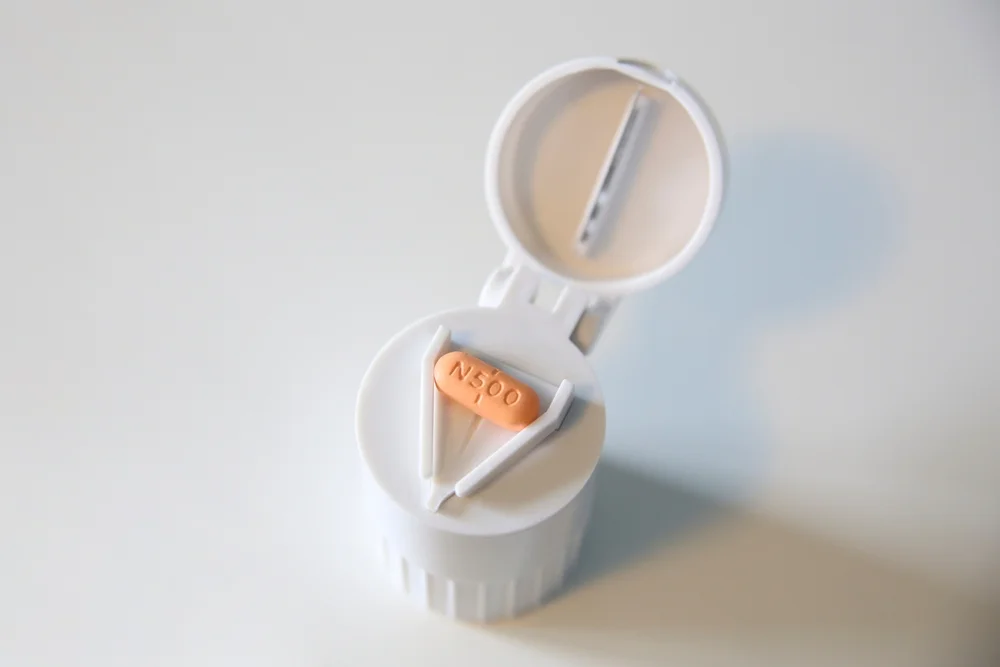
Many people are surprised to learn that cutting pills in half can actually help them save money. This practice is called pill splitting, and it’s more common than you might think. It works like this: Instead of buying a lower-dose pill, you buy a higher-dose pill that costs nearly the same, or sometimes even less, and split it in half to get the same dosage. Why Does Pill Splitting Work? Pharmaceutical companies often price pills by the type of medication rather than the strength. For example, a 20 mg pill might cost the same as a 40 mg pill. If your doctor prescribes 20 mg, you could get the 40 mg pills and cut them in half. In this way, one pill becomes two doses. This cuts your costs in half without reducing the effectiveness of your treatment. Here are a few reasons why people choose to split pills: Pill splitting has become even more popular as drug prices continue to rise. For people who are uninsured or paying out of pocket, this method can make treatment more affordable. Is Pill Splitting Legal and Safe? Yes, but with important conditions. It’s only safe and legal to split pills when: Never start splitting your medication without talking to your doctor first. Some medications are dangerous to split. Others might not work properly if not taken as a whole pill. What Kinds of Pills Can Be Split? If you’re thinking about trying pill splitting, the first thing you need to know is which pills are safe to split. Not all tablets can be cut safely, and splitting the wrong kind can cause side effects or reduce the medication’s effectiveness. Signs That a Pill Might Be OK to Split Here are a few features that often mean a pill can be split: Here are some types of medications that are often safe to split (always confirm with a healthcare professional): Medication Type Examples Cholesterol-lowering drugs Simvastatin, Atorvastatin Blood pressure meds Atenolol, Metoprolol Antidepressants Sertraline, Citalopram Allergy meds Loratadine (in tablet form) Some anti-anxiety meds Diazepam (Valium) These medications don’t lose their effectiveness when cut, and they don’t contain coatings that change how they’re absorbed. Pills You Should NEVER Split Some pills are dangerous or ineffective if split. These tablets have special coatings, time-release features, or combinations of drugs that should stay intact. Warning Signs: Do Not Split These Pills Common Medications That Should Not Be Split Medication Type Examples Painkillers (time-release) OxyContin, Tramadol ER Antidepressants (slow-release) Venlafaxine XR, Bupropion SR Diabetes medications Metformin ER Heart medications Digoxin, Diltiazem (extended-release) Birth control pills Most oral contraceptives Always ask your doctor or pharmacist if you’re unsure about your medication. Taking a split pill that shouldn’t be split can lead to serious health problems, including overdose, treatment failure, or stomach issues. What Could Go Wrong with Pill Splitting? Although pill splitting can save money, it’s not risk-free. Mistakes during splitting or misunderstanding how a medication works can cause real problems. Risks Involved How to Split Pills the Right Way If you and your doctor have decided that pill splitting is safe for your situation, the next step is learning how to do it correctly. A clean and accurate split is important to ensure you get the right dose every time. Use the Right Tool Never use your fingers, a knife, or scissors to split pills. These tools are not designed for precision and can cause the pill to break unevenly or crumble. The best option is to use a pill splitter, a small device made specifically for this purpose. You can buy one at most pharmacies or online, and they’re very affordable. Steps to Split a Pill Safely When to Split Ideally, split pills just before you need them. This keeps the medication as fresh and effective as possible. Some people choose to split a week’s worth in advance and store the halves in a pill organizer. Tips for Safe Storage and Use of Split Pills After splitting pills, it’s important to store and manage them correctly. Mishandling split pills can lead to loss of medication, confusion, or even taking the wrong dose. Storage Guidelines Handling Tips Talk to Your Doctor First – Always This cannot be stressed enough, never split pills without asking your doctor or pharmacist first. Even if you think the pill looks safe to cut, there may be reasons why you shouldn’t. Your doctor can help you: Your pharmacist can also give you advice about: Is Pill Splitting the Best Option for You? For some people, splitting pills makes perfect sense. For others, it can cause more problems than it solves. Here’s how to know if it may work for you. Good Candidates for Pill Splitting Not Ideal for Everyone Pill splitting may not be a good idea if: Sometimes it’s better to ask your doctor for a lower-strength version or switch to a cheaper generic drug rather than splitting. Alternatives to Pill Splitting While pill splitting can be effective, there are other ways to save money on medications that don’t involve cutting tablets. Other Cost-Saving Options Be Smart, Be Safe Pill splitting can be a helpful way to cut down on medication costs, but only if it’s done safely and under medical supervision. Always check with your healthcare provider before splitting any pills. Use a proper pill splitter, follow safe storage practices, and don’t take chances with your health. Here’s a quick summary to remember: Saving money is important, but staying healthy is even more important. With the right approach, you can do both.
Medication Therapy Management (MTM) is a service that empowers patients to optimize the use of their medications. With the rising complexity of healthcare, especially for individuals with chronic conditions, MTM serves as an essential tool to ensure that patients not only take their medications correctly but also achieve the best possible therapeutic outcomes. MTM is a collaborative process where healthcare professionals, particularly pharmacists, work closely with patients and their other healthcare providers to review and manage their medications. The core aim of MTM is to ensure that medications are used appropriately, safely, and effectively. It’s not just about filling prescriptions, but about providing comprehensive, patient-centered care that improves overall health and reduces unnecessary healthcare costs. By addressing issues such as drug interactions, incorrect medication use, and non-adherence, MTM aims to improve patient health outcomes while reducing the risk of adverse drug events. In this blog, we’ll explore the top benefits that MTM brings to the healthcare landscape, along with some of the challenges that are preventing it from being fully implemented in many healthcare settings. We’ll look at how MTM enhances the patient experience, its role in reducing healthcare costs, and the barriers that both patients and providers face in utilizing MTM effectively. Benefits of Medication Therapy Management (MTM) 1. Improved Medication Adherence As discussed earlier, medication adherence is a major issue in healthcare. MTM programs address this by ensuring patients understand their medication regimens, the importance of taking medications consistently, and the consequences of missing doses. Pharmacists provide counseling on the correct use of medications, offer reminders, and help patients overcome barriers to adherence. For patients who take multiple medications, MTM can be crucial in improving their understanding of the regimen and ensuring the correct timing and dosage. This helps reduce the risk of complications and improve the effectiveness of treatment. Real-life example: A patient with multiple chronic conditions like diabetes and hypertension may be prescribed several medications. Through MTM, pharmacists can ensure the patient understands how each medication works and its purpose, leading to better adherence and improved health outcomes. 2. Reduced Risk of Adverse Drug Events (ADEs) Adverse drug events are a significant concern in healthcare. ADEs can lead to hospitalizations, prolonged recovery periods, and even death. MTM plays a vital role in identifying and preventing ADEs by reviewing patients’ medication regimens for potential drug interactions, duplications, and side effects. Pharmacists conduct thorough medication reviews to identify any discrepancies or issues that could lead to adverse effects. By addressing these issues early, MTM helps patients avoid serious health complications. Pharmacists can also adjust medications based on patient-specific factors such as age, kidney function, and comorbidities. Example: A study of elderly patients taking medications for various conditions found that MTM services helped identify harmful drug interactions that could have led to serious side effects. As a result, the patients experienced fewer hospitalizations and better overall health. 3. Personalized Medication Plans for Chronic Disease Management MTM plays a key role in managing chronic diseases such as diabetes, hypertension, asthma, and heart disease. Patients with these conditions often require complex medication regimens, and MTM services ensure that their medications are optimized for their specific health needs. Pharmacists help coordinate care by working with other healthcare providers to adjust medications as necessary. For example, if a patient with heart disease is prescribed multiple medications for different conditions, MTM can ensure these medications work together without causing harmful interactions. Case Study: In a program for patients with diabetes, MTM services helped ensure that insulin doses and oral medications were aligned. Pharmacists also worked with physicians to recommend lifestyle changes that complemented medication therapy, resulting in improved blood sugar control and fewer complications. 4. Cost Savings for Patients and the Healthcare System While MTM services require upfront investment, they can lead to significant cost savings over time. By preventing hospital readmissions, reducing adverse drug events, and optimizing medication regimens, MTM services help lower the overall cost of care. Fewer complications mean less need for emergency visits, hospital stays, and costly treatments. For patients, MTM can also help reduce out-of-pocket expenses by ensuring they are not paying for unnecessary medications. By reviewing medication regimens, pharmacists can identify cheaper alternatives or adjust dosages to avoid unnecessary costs. Example: A healthcare system that implemented MTM services for patients with chronic conditions reported a 20% reduction in hospital admissions, which saved the system millions of dollars. These savings were largely due to the reduction in preventable complications and improved disease management. 5. Enhanced Patient Satisfaction and Empowerment MTM services can significantly improve patient satisfaction. By offering personalized counseling and addressing patients’ concerns, pharmacists help patients feel more in control of their health. MTM services often involve follow-up sessions to ensure that patients are adhering to their medication regimen and to address any new concerns or issues. Patients also feel more empowered when they understand the medications they are taking and the role they play in their treatment. MTM can enhance the patient-provider relationship by building trust and encouraging open communication. Example: A patient with asthma who participates in MTM services feels more confident in managing their condition. The pharmacist explains how to use the inhaler properly, discusses potential side effects, and provides additional resources. As a result, the patient reports feeling more in control of their condition. Challenges in Medication Therapy Management (MTM) While MTM offers numerous benefits, several challenges hinder its broader implementation in healthcare settings. 1. Lack of Awareness and Understanding Despite the clear benefits, many patients and healthcare providers are not fully aware of MTM services or how to access them. Patients may not know that they are eligible for MTM, or they may not fully understand the value of these services. Healthcare providers, especially those in primary care or specialized fields, may also lack awareness of MTM or may not have the resources to integrate it into their practice. Increasing awareness and educating both patients and healthcare providers about the benefits of MTM is crucial for improving its uptake. Health systems and
In today’s world, healthcare is more advanced than ever, with treatments and medications available to help manage a variety of health conditions. For many, taking multiple medications is a part of daily life, especially as we age or manage chronic conditions. But managing multiple medications can be tricky. It’s easy to forget doses or mix up medications, which can lead to serious health risks. This is where Medication Therapy Management (MTM) comes in. MTM is a service that ensures patients are using their medications correctly, safely, and effectively, making it an essential tool for maintaining health and well-being. What Is a Medication Therapy Management Program? A Medication Therapy Management (MTM) program is a service designed to help patients manage their medications and ensure they’re using them correctly. The goal is to improve medication outcomes, reduce potential side effects, and help avoid harmful drug interactions. It involves reviewing all the medications a person is taking, including prescriptions, over-the-counter drugs, and supplements, to make sure everything is working together in the best way possible. MTM services are typically provided by pharmacists or healthcare teams, who are trained to evaluate your medications, offer advice, and create personalized plans. Pharmacists play a key role in reviewing prescriptions and making sure they are effective, safe, and appropriate for your condition. The concept of MTM became more widely available through Medicare Part D, which introduced the program as a requirement for people with Medicare who have chronic conditions and take multiple medications. This initiative was created to ensure that patients receive the guidance and support they need to manage their medications and improve their overall health. Key Components of a Medication Therapy Management Program An effective Medication Therapy Management (MTM) program includes several important steps to ensure that patients get the most out of their medications while avoiding any risks. Here are the key components that make up an MTM program: 1. Medication Review (MTR) This is a thorough review of all the medications a person is taking, including prescriptions, over-the-counter drugs, and supplements. The goal is to identify any potential issues, such as drug interactions, duplicate medications, or any that might not be working as intended. This helps ensure that everything is in order and that the medications are safe and effective for the patient’s needs. 2. Personal Medication Record (PMR) A PMR is a comprehensive list of all the medications you are taking, along with important details like dosage, timing, and purpose. It’s a handy tool for both patients and healthcare providers to keep track of medications, making it easier to avoid errors or confusion. This record is updated regularly as your medication plan changes. 3. Medication Action Plan (MAP) The MAP is a personalized plan that outlines specific goals and actions for managing your medications. It may include instructions for when and how to take your medications, possible side effects to watch out for, and what to do if you miss a dose. This plan helps ensure you’re on track and empowers you to manage your health more confidently. 4. Intervention and/or Referral If any problems are identified during the medication review, a healthcare provider may intervene to address them, such as adjusting dosages or suggesting alternative medications. In some cases, a referral to another healthcare provider, like a specialist or physician, might be necessary to further address any health concerns. 5. Documentation and Follow-up All of the information gathered during the MTM process is carefully documented to ensure continuity of care. Follow-up appointments are often scheduled to monitor progress, check for any new issues, and adjust the medication plan as needed. This ongoing support helps keep your health and medication use on track, ensuring long-term success. Who Can Benefit From MTM Programs? Medication Therapy Management (MTM) programs can benefit a wide range of people, especially those who are managing multiple medications or health conditions. Here are some groups that can greatly benefit from MTM services: 1. Patients Taking Multiple Medications If you’re taking several medications at once, it can be difficult to keep track of everything. MTM programs are especially helpful for people who need to manage a variety of drugs, ensuring that they are taken correctly and don’t cause harmful interactions with each other. 2. Individuals with Chronic Conditions (e.g., Diabetes, Hypertension) People with chronic conditions like diabetes, hypertension, or heart disease often require ongoing medication to manage their health. MTM services help these individuals stay on top of their medications, adjust dosages if needed, and avoid potential issues that might arise from long-term medication use. 3. Seniors Enrolled in Medicare Part D Seniors who are enrolled in Medicare Part D can benefit from MTM services, which are specifically available to them as part of their healthcare plan. This program ensures that older adults who take multiple medications for age-related health conditions get the support they need to manage their prescriptions safely and effectively. 4. Patients at Risk of Adverse Drug Events If you’ve experienced side effects or reactions to medications in the past, or if you’re at a higher risk of adverse drug events, MTM can be an essential service. MTM programs work to identify and address potential risks, helping patients avoid harmful drug interactions and ensuring that medications are working as they should. No matter your age or health condition, MTM programs offer personalized care that can improve the way you manage your medications and support better health outcomes. Benefits of Medication Therapy Management Medication Therapy Management (MTM) offers a variety of benefits that can make a big difference in your health and well-being. Here’s how MTM can help: 1. Improved Medication Adherence One of the main benefits of MTM is that it helps you stay on track with your medications. By reviewing your prescriptions and creating a clear medication plan, it’s easier to remember when and how to take your medications. This leads to better adherence, meaning you’re more likely to take the right medications at the right time, which can improve your health outcomes. 2. Reduced