
Areas We Serve


Expert pharmacy insights and medication guides from your
trusted Palm Springs, FL pharmacy.


Missing a dose of medication can happen to anyone. A busy schedule, school, work, travel, or simple forgetfulness can easily interrupt a daily routine. If you take Adderall and realize you missed a dose, you may wonder what could happen and whether it will affect your focus, energy, or mood.


Licensed & Certified
Palm Beach County Trusted
Mon–Fri 9 AM – 6 PM
Free Prescription Delivery
Personalized Care
Licensed & Certified
Palm Beach County Trusted
Mon–Fri 9 AM – 6 PM
Free Prescription Delivery
Personalized Care
Expert medication guides and pharmacy insights to help you stay informed about your health.

Missing a dose of Metronidazole can happen, but it may affect your recovery. Learn the side effects, risks, and what to do next.

Missed a Zepbound dose? Learn the side effects, how it impacts weight loss, and what to do next to stay on track.

Missed an Ozempic dose and feeling unsure what happens next Learn how your body reacts and what you should do right away to stay on track.

Missing a Zoloft dose can cause dizziness, mood changes, or anxiety. Learn what happens, what to do next, and how to stay on track safely.

Missing a dose of Gabapentin can lead to temporary symptoms like nerve pain, anxiety, or sleep issues. Learn what to expect and how to stay on track safely.
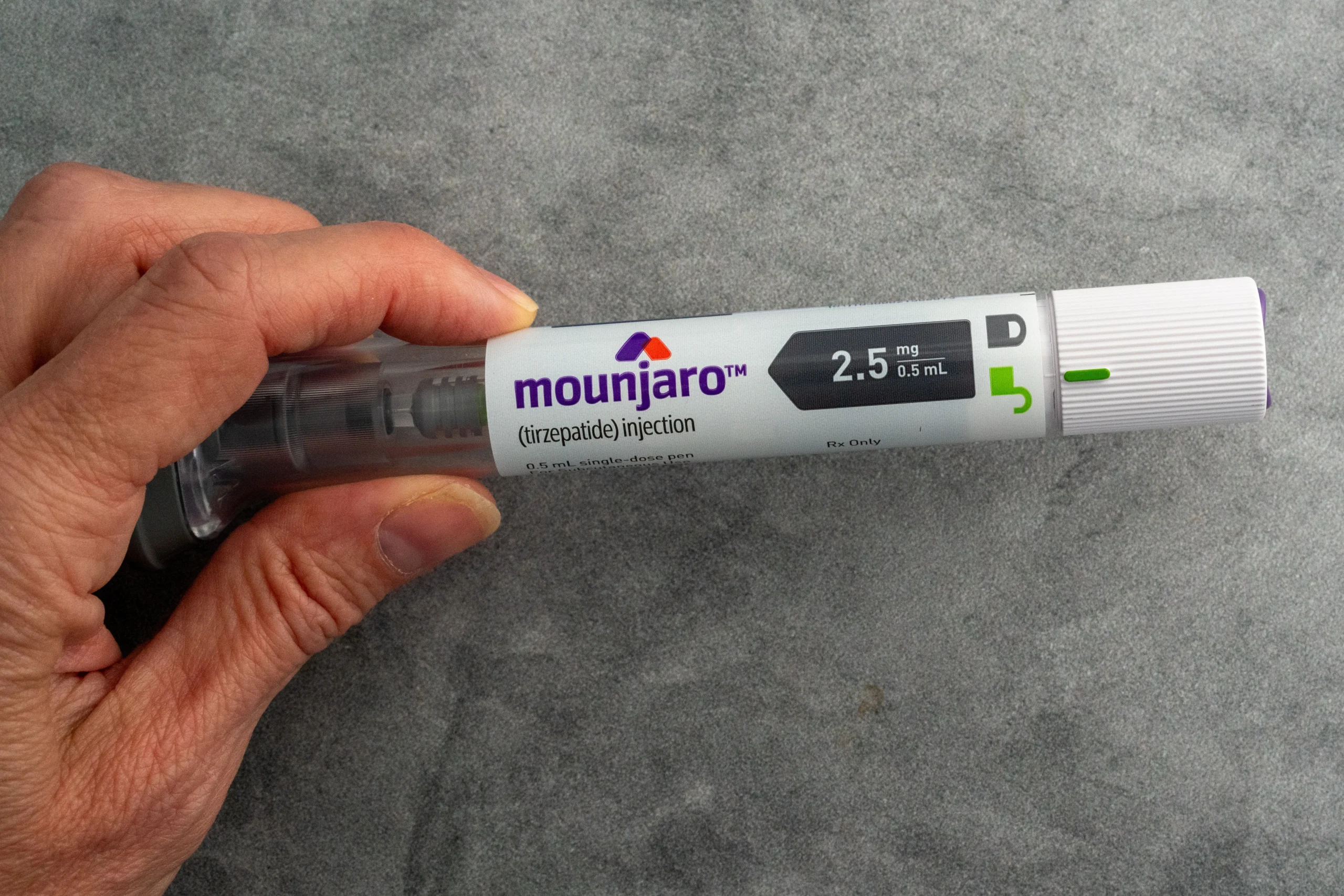
Missing a dose of Mounjaro can lead to higher blood sugar, increased hunger, and temporary changes in energy or mood. Learn what to expect and how to safely get back on track.

Missing a dose of Wellbutrin can happen to anyone, but it may lead to temporary changes in mood, energy, or focus. Learn the common side effects, what to expect, and the safest steps to stay on track with your treatment.

Losartan is a commonly prescribed medication used to manage high

Amlodipine is a commonly prescribed medicine used to treat high

Humira, also known by its generic name adalimumab, is a

Missing a dose of Metronidazole can happen, but it may affect your recovery. Learn the side effects, risks, and what to do next.

Missed a Zepbound dose? Learn the side effects, how it impacts weight loss, and what to do next to stay on track.

Missed an Ozempic dose and feeling unsure what happens next Learn how your body reacts and what you should do right away to stay on track.

Missing a Zoloft dose can cause dizziness, mood changes, or anxiety. Learn what happens, what to do next, and how to stay on track safely.

Missing a dose of Gabapentin can lead to temporary symptoms like nerve pain, anxiety, or sleep issues. Learn what to expect and how to stay on track safely.

Missing a dose of Mounjaro can lead to higher blood sugar, increased hunger, and temporary changes in energy or mood. Learn what to expect and how to safely get back on track.

Missing a dose of Wellbutrin can happen to anyone, but it may lead to temporary changes in mood, energy, or focus. Learn the common side effects, what to expect, and the safest steps to stay on track with your treatment.

Losartan is a commonly prescribed medication used to manage high blood pressure and protect the heart and kidneys. Many people take it daily as part of a long term treatment plan. Because it is often taken once a day and becomes part of a routine, it may seem harmless to miss a dose once in a while. However, skipping a dose of losartan can lead to noticeable effects, especially if it happens often or without guidance from a healthcare provider. This blog explains what losartan does, why it is prescribed, what happens when you miss a dose, possible side effects of missed doses, who is at higher risk, and how to manage missed doses safely. It focuses on what people genuinely want to know when searching for this topic and provides practical and realistic information. What Is Losartan and Why Is It Prescribed Losartan belongs to a group of medicines called angiotensin receptor blockers. These medicines help relax blood vessels so blood can flow more easily. When blood vessels are relaxed, blood pressure lowers, and the heart does not have to work as hard. Losartan is commonly prescribed for: It is usually taken once daily, though some people may take it twice a day depending on their condition. How Losartan Works in the Body Losartan works by blocking the action of a hormone called angiotensin two. This hormone normally causes blood vessels to tighten and narrow. When angiotensin two is blocked, blood vessels stay relaxed and open. This leads to: Losartan works best when taken consistently. Its effects build and stabilize with regular daily use. Why People Miss a Dose of Losartan Missing a dose can happen for many everyday reasons. It does not always mean a person is careless or non compliant. Common reasons include: Understanding why doses are missed helps prevent future problems. What Happens When You Miss One Dose of Losartan Missing a single dose of losartan does not usually cause serious harm for most people. However, it can still lead to short term changes in blood pressure control. When a dose is missed: Losartan stays in the body for some time, so missing one dose may not cause immediate symptoms. However, repeated missed doses can have stronger effects. Common Side Effects of Missing a Dose of Losartan The effects of missing a dose can vary depending on the person, their condition, and how long they have been taking the medication. Rise in blood pressure One of the most common effects is an increase in blood pressure. This rise may be mild or significant depending on the individual. People may not feel any symptoms at first, which can be misleading. Headache Some people experience headaches when blood pressure rises after missing a dose. These headaches may feel dull or throbbing and may worsen with activity. Dizziness or lightheadedness Blood pressure changes can cause dizziness, especially when standing up quickly. This is more noticeable in people who are sensitive to blood pressure fluctuations. Feeling anxious or uneasy A sudden change in blood pressure can cause a general feeling of discomfort or anxiety, even if blood pressure is not extremely high. Less Common Side Effects of Missing Losartan Some side effects are less common but still possible, especially if doses are missed frequently. Chest discomfort In people with heart disease, missing losartan may increase strain on the heart. This can cause chest tightness or discomfort. Shortness of breath Higher blood pressure can make the heart work harder, leading to shortness of breath in some individuals. Swelling in legs or feet Losartan helps manage fluid balance in some patients. Missing doses may lead to mild fluid retention. Fatigue Blood pressure changes can make people feel tired or weak, even without other symptoms. Side Effects of Missing Multiple Doses Missing more than one dose in a row increases the risk of noticeable effects. When multiple doses are missed: This is especially concerning for people with long standing high blood pressure or existing heart or kidney conditions. Risks for People with High Blood Pressure For individuals taking losartan for high blood pressure, missing doses can reduce blood pressure control. Uncontrolled blood pressure increases the risk of: Even if no symptoms are felt, high blood pressure can still cause damage over time. This is why consistency is important. Risks for People with Heart Conditions People with heart failure or other heart conditions rely on losartan to reduce strain on the heart. Missing doses may: For these individuals, missing doses can have more serious consequences. Risks for People with Kidney Disease or Diabetes Losartan is often prescribed to protect kidney function, especially in people with diabetes. Missing doses may: Kidney damage often occurs silently, so symptoms may not appear right away. Can Missing Losartan Cause Withdrawal Symptoms Losartan does not usually cause true withdrawal symptoms. However, stopping or missing doses can cause rebound effects. Rebound effects include: These effects are not withdrawal in the traditional sense but are still important to avoid. What To Do If You Miss a Dose of Losartan Knowing what to do after missing a dose helps reduce risk. General guidance includes: If you miss doses often, talk to your healthcare provider for advice. When Missing a Dose Becomes a Serious Problem Occasional missed doses happen, but frequent missed doses are a concern. It becomes more serious if: In these cases, medical guidance is important. How to Reduce the Risk of Missing Losartan Simple habits can help improve consistency. Helpful tips include: Consistency improves treatment effectiveness. Should You Stop Losartan If You Feel Fine Feeling well does not mean high blood pressure or heart disease is cured. Many people feel normal even when blood pressure is high. Stopping or skipping losartan without guidance can: Always consult a healthcare provider before making changes. When to Contact a Healthcare Provider You should contact a healthcare provider if: Professional guidance ensures safe treatment. Long Term Impact of Poor Medication Adherence Consistently missing losartan doses over time can reduce its long term benefits.

Amlodipine is a commonly prescribed medicine used to treat high blood pressure and certain heart conditions such as angina. Many people take it every day as part of their routine to keep their blood pressure under control and protect their heart. Because it is taken long term, sometimes people forget a dose or skip it by mistake. This can happen due to a busy schedule, travel, stress, or simply forgetting. Missing a single dose of amlodipine is usually not an emergency, but it can still have effects on the body. Understanding what may happen when a dose is missed can help people take better care of their health and avoid unnecessary worry. This blog explains what amlodipine does, why it is important to take it regularly, and the possible side effects or symptoms that can occur if a dose is missed. What Is Amlodipine and How Does It Work Amlodipine belongs to a group of medicines called calcium channel blockers. These medicines work by relaxing the blood vessels. When blood vessels are relaxed, blood can flow more easily, which lowers blood pressure and reduces the strain on the heart. For people with high blood pressure, amlodipine helps keep readings within a safe range. For those with angina or other heart-related issues, it improves blood flow to the heart muscle and helps prevent chest pain. Amlodipine works slowly and steadily. It stays in the body for a long time, which is why it is usually taken once a day. Even though it lasts longer than many other medicines, taking it regularly is important to maintain stable blood pressure levels. Why Taking Amlodipine Consistently Matters High blood pressure often does not cause noticeable symptoms. This is why it is sometimes called a silent condition. Even when someone feels fine, high blood pressure can still damage the heart, kidneys, brain, and blood vessels over time. Amlodipine helps prevent this damage by keeping blood pressure under control every day. Missing doses can cause blood pressure to rise again, sometimes without obvious warning signs. Over time, frequent missed doses can increase the risk of serious health problems such as heart attack, stroke, or kidney disease. Taking amlodipine consistently also helps the body stay adjusted to the medicine. Skipping doses can make blood pressure levels less predictable and harder to manage. What Happens When You Miss a Dose of Amlodipine When one dose of amlodipine is missed, the effect depends on several factors. These include the dose prescribed, how long the person has been taking the medicine, their overall health, and whether they miss doses often or only once in a while. Because amlodipine stays in the body for a long time, missing a single dose usually does not cause sudden or severe problems. However, some people may still notice changes, especially if they are sensitive to blood pressure fluctuations or have underlying heart conditions. Possible Side Effects of Missing a Dose of Amlodipine Below are some possible effects that can occur when a dose of amlodipine is missed. Not everyone will experience these, and some people may notice no symptoms at all. Rise in Blood Pressure One of the most common effects of missing a dose is a gradual increase in blood pressure. This rise may be small, especially if only one dose is missed. However, for some people, even a slight increase can cause symptoms. Elevated blood pressure can put extra strain on the heart and blood vessels. If doses are missed repeatedly, blood pressure may remain uncontrolled for longer periods. Headaches Some people may develop headaches after missing a dose. This can happen due to rising blood pressure. These headaches may feel dull, throbbing, or pressure-like and can occur at the front or back of the head. Headaches related to blood pressure changes may improve once the medicine is taken again and blood pressure returns to normal levels. Dizziness or Lightheadedness Dizziness or feeling lightheaded can occur when blood pressure changes. Missing a dose may cause blood pressure to increase, which can affect blood flow to the brain. Some people may feel unsteady when standing up or walking. This can increase the risk of falls, especially in older adults. Chest Discomfort or Angina For people taking amlodipine for angina or heart disease, missing a dose may increase the risk of chest pain. Amlodipine helps improve blood flow to the heart, and skipping it can reduce this benefit. Chest discomfort may feel like pressure, tightness, or pain in the chest, shoulders, arms, or jaw. Any new or worsening chest pain should be taken seriously and discussed with a healthcare provider. Shortness of Breath In some cases, missing a dose may lead to shortness of breath, especially in people with heart conditions. This can happen if the heart has to work harder due to increased blood pressure. Shortness of breath may occur during physical activity or even at rest in more sensitive individuals. Anxiety or Restlessness Changes in blood pressure and heart function can sometimes cause feelings of anxiety or restlessness. A person may feel uneasy, nervous, or uncomfortable without knowing exactly why. These feelings are usually temporary and may resolve once the medication routine is back on track. Fatigue or Tiredness Some people may feel unusually tired or low on energy after missing a dose. This can be linked to increased blood pressure or the heart working harder than usual. Fatigue may affect daily activities and concentration, especially if blood pressure remains elevated for a longer time. Effects of Missing Multiple Doses of Amlodipine Missing one dose occasionally is different from missing doses frequently. When several doses are skipped, the risk of side effects and complications increases. Blood pressure may rise significantly and remain high. This can increase the risk of serious events such as stroke or heart attack, especially in people with existing heart disease, diabetes, or kidney problems. Frequent missed doses can also make it harder for doctors to assess how well the medicine is working. They may think the dose

Humira, also known by its generic name adalimumab, is a biologic medication prescribed for various autoimmune diseases. These conditions include rheumatoid arthritis, psoriasis, Crohn’s disease, and ulcerative colitis, among others. Humira works by targeting a protein called tumor necrosis factor (TNF), which plays a major role in the inflammation process of autoimmune diseases. However, the effectiveness of this drug hinges on taking it consistently and following the prescribed dosage schedule. Missing a dose of Humira can have significant side effects and consequences, potentially affecting the patient’s overall health. In this article, we will discuss the side effects of missing a dose of Humira, why it is important to adhere to your treatment plan, and what steps to take if you forget a dose. Understanding these aspects is critical for patients using Humira, as it will help prevent complications and ensure the medication works as intended. What Is Humira and How Does It Work? Humira is classified as a biologic drug, which means it is derived from living organisms. Unlike traditional medications that are made from chemicals, biologics like Humira are produced using genetically engineered cells. Humira is primarily used to treat autoimmune conditions, where the body’s immune system mistakenly attacks healthy tissue, causing inflammation. Humira works by targeting and blocking a protein called tumor necrosis factor (TNF). TNF is a cytokine, or signaling protein, that is released by the immune system in response to an infection or injury. However, in autoimmune diseases, TNF is overproduced and leads to chronic inflammation, which damages healthy tissue. By inhibiting TNF, Humira helps to reduce inflammation, thereby alleviating the symptoms of conditions such as: Humira is typically administered by subcutaneous injection, either at home by the patient or in a clinical setting. The drug is usually injected once every two weeks, although the exact dosing schedule may vary depending on the condition being treated and the patient’s specific response to the medication. For Humira to be effective, it is essential that patients maintain a consistent dosage schedule. Missing a dose can result in a drop in medication levels in the bloodstream, reducing its ability to control inflammation and manage symptoms effectively. Why Missing a Dose of Humira Can Impact Your Treatment Humira is prescribed to manage chronic autoimmune diseases, which require long-term treatment. Consistency is key to ensuring that the medication maintains its therapeutic effects. Missing a dose of Humira, even occasionally, can have significant consequences. Humira is designed to work gradually over time, and its effects are optimized when it is taken regularly. Skipping doses can disrupt the body’s treatment cycle, leading to several negative outcomes. For example, when Humira is not administered consistently, it may result in fluctuations in TNF levels, leading to increased inflammation and a return of symptoms. Over time, missing multiple doses could render the treatment less effective and may cause patients to experience worsening of their condition. It is important to understand that autoimmune diseases are chronic, and many of them worsen over time without proper treatment. Therefore, failing to take Humira as prescribed can lead to disease progression, more severe symptoms, and long-term complications. Side Effects of Missing a Humira Dose: What You Need to Know If you miss a dose of Humira, several side effects can occur, depending on how long it’s been since your last injection. These side effects can range from mild flare-ups to more severe complications, including permanent damage to joints or gastrointestinal issues. Let’s take a deeper look at the side effects of missing a dose of Humira. 1. Flare-Ups of Autoimmune Disease Symptoms One of the most common side effects of missing a dose of Humira is the return or worsening of symptoms. Since Humira works by suppressing inflammation, missing a dose can lead to a sudden increase in inflammation in your body, causing symptoms to flare up. This is particularly problematic for patients with conditions like rheumatoid arthritis, Crohn’s disease, or psoriasis. For example: Flare-ups can also lead to emotional distress, as patients may feel frustrated or anxious about the return of symptoms. In many cases, flare-ups can be difficult to control and may require additional medical interventions to get back on track. 2. Increased Inflammation and Disease Progression Humira’s primary role is to reduce inflammation. If a dose is missed, inflammation can increase, leading to an intensification of symptoms. Over time, untreated inflammation can cause more severe long-term damage, especially in diseases like rheumatoid arthritis and Crohn’s disease. For instance: If inflammation is not controlled, it can also increase the likelihood of complications and worsen the disease’s overall course, making it more difficult to manage over time. 3. Increased Risk of Infections Humira works by suppressing the immune system to reduce inflammation. While this is beneficial for managing autoimmune diseases, it also makes the body more susceptible to infections. When a dose of Humira is missed, the immune system may not be as effectively suppressed, leaving the body vulnerable to infections. Some common infections associated with Humira use include: Infections, especially severe ones, can interfere with the healing process and make it harder to manage your autoimmune disease effectively. What to Do If You Miss a Dose of Humira: A Step-by-Step Guide If you miss a dose of Humira, it is important to take action as soon as possible. Here’s a step-by-step guide on how to handle a missed dose: It’s important to stay in close contact with your healthcare provider, especially after missing a dose, as they can offer personalized advice based on your condition. How to Prevent Missing a Dose of Humira: Tips and Best Practices To avoid the complications of missed doses, there are several practical steps you can take to help ensure that you stay on track with your Humira treatment: By taking these steps, you can reduce the likelihood of missing doses and help ensure that your Humira treatment remains effective. Frequently Asked Questions 1. How long can you go without taking Humira? It depends on your treatment plan, but delaying Humira for