Drug Side Effects Explained: What You Need to Know
This blog will break down the science behind drug side effects, discuss common examples, explain high-risk factors, and answer some FAQs.









This blog will break down the science behind drug side effects, discuss common examples, explain high-risk factors, and answer some FAQs.

When you take a pill, undergo a procedure, or receive

Prescription medications are an important part of healthcare in Florida.

Metformin is one of the most common medicines prescribed for

Medication only works if it is taken correctly. Yet, across

If you or a loved one takes medicine regularly, you

In the world of healthcare, especially in specialty pharmacy and

When it comes to medication administration, precision is key, particularly

Many people are surprised to learn that cutting pills in
This blog will break down the science behind drug side effects, discuss common examples, explain high-risk factors, and answer some FAQs.
When you take a pill, undergo a procedure, or receive an injection, you usually expect it to have an active medical ingredient that improves your health. But what if the pill had no medicine inside—just sugar or a harmless substance? Surprisingly, many people would still feel better. This fascinating phenomenon is called the placebo effect, and it’s one of the most intriguing intersections of psychology and medicine. In this blog, we’ll explore what is the placebo effect: how it works, why it matters in clinical trials, and the debates surrounding its use. We’ll also touch on related concepts like the nocebo effect and open-label placebos. By the end, you’ll see why this “mind-over-matter” effect has become such a powerful subject of medical research. Understanding the Placebo Effect The placebo effect occurs when someone experiences real improvements in their symptoms after receiving a treatment that has no active medical properties. The key factor isn’t the pill or injection itself—it’s the person’s belief and expectation that the treatment will help. For example, if someone with chronic pain takes a sugar pill (believing it’s strong pain medication), their brain may actually reduce pain signals, leading to genuine relief. This shows that the placebo effect is more than “all in the head.” It can influence how the body functions in measurable ways. How Does the Placebo Effect Work? Scientists believe the placebo effect is linked to the powerful connection between the mind and body. Here are some of the mechanisms that may explain how it works: Factors That Make Placebos More Effective Not every placebo works the same way. Several factors can strengthen the placebo effect: This shows that the placebo effect isn’t just about the treatment itself—it’s also shaped by environment, trust, and context. Placebos in Clinical Trials The placebo effect plays a crucial role in modern medicine, particularly in clinical trials. When researchers test a new drug, they need to know whether the benefits come from the medication itself—or from the patient’s expectations. That’s why many studies are randomized and double-blind: some participants get the real drug, while others receive a placebo, and neither the doctors nor patients know which is which. If the drug performs better than the placebo, it shows true medical effectiveness. Without placebos, it would be nearly impossible to separate genuine drug effects from psychological influences. Placebo Effect Doesn’t Mean “Fake Illness” A common misunderstanding is that if someone responds to a placebo, their illness must have been “imaginary.” This couldn’t be further from the truth. So, while a placebo might not cure diseases like cancer or infections, it can still provide real relief and improve quality of life. The Debate: Are Placebos Ethical? The use of placebos sparks a lot of debate in the medical community. Arguments in favor: Arguments against: This ethical tension makes the use of placebos outside clinical trials highly controversial. The Nocebo Effect: The Dark Side If believing in treatment can make us feel better, then believing in negative outcomes can make us feel worse. This is known as the nocebo effect. For example: The nocebo effect highlights the importance of communication between doctors and patients. Words, tone, and expectations matter greatly in medical care. Open-Label Placebos: Placebos Without Deception Traditionally, placebos required some level of trickery. But recent research has introduced the idea of open-label placebos—where patients know they are taking a placebo, yet still experience benefits. Studies show that even when patients are told, “This pill has no active drug, but research suggests it may still help,” many still report improvement. This suggests that the ritual of treatment itself can trigger healing responses, even without deception. When and Where to Seek Help While the placebo effect is fascinating, it’s important to remember: That said, the placebo effect reminds us of the power of positive thinking, trust, and expectation—all of which can enhance real medical care. Conclusion The placebo effect is a powerful reminder of how closely our minds and bodies are connected. Far from being “fake medicine,” it demonstrates that belief, trust, and expectation can create real improvements in health. From shaping the outcome of clinical trials to influencing everyday experiences of pain and well-being, the placebo effect continues to fascinate scientists and patients alike. While it should never replace real medical treatment, understanding the placebo effect helps us appreciate the role of psychology in healing—and why hope and positive expectations remain such powerful allies in medicine. Frequently Asked Questions (FAQs) 1. Is the placebo effect real or just psychological? It is very real. Placebos can trigger measurable changes in brain activity, hormones, and even physical symptoms. 2. Can placebos cure serious diseases? No. While placebos may relieve symptoms like pain or fatigue, they cannot treat or cure diseases such as cancer or infections. 3. Why do doctors use placebos in research? To separate the true effects of a drug from improvements caused by expectations or belief. 4. Can children experience the placebo effect? Yes, children are often highly responsive because of strong trust in caregivers and doctors. 5. What is the difference between the placebo effect and the nocebo effect? The placebo effect improves symptoms due to positive expectations, while the nocebo effect worsens symptoms due to negative expectations.
Prescription medications are an important part of healthcare in Florida. They help people manage health conditions, recover from illnesses, and prevent more serious problems. From heart health to allergies, doctors in Florida prescribe a wide range of medicines every day. Florida is home to a mix of age groups. There are retirees, working adults, students, and families with young children. Because of this variety, the list of commonly prescribed medications includes drugs for both short-term illnesses and long-term health conditions. Some are used to treat chronic diseases like diabetes and high blood pressure, while others help with seasonal allergies or infections. In this guide, we will explore the most commonly prescribed medications in Florida. We will look at what they are used for, how they work, and why they are important for residents of the Sunshine State. You will also find tips for safe medication use and an understanding of why certain prescriptions are more common here than in other parts of the country. Why Prescription Medications Are Important Prescription medications are more than just treatments for symptoms. They are targeted tools designed to address specific medical needs. When prescribed by a healthcare provider, they can: However, prescription medications must be taken exactly as directed. Taking too much, skipping doses, or stopping too early can be harmful. Understanding how and why you are taking medication is an important part of staying healthy. Common Health Needs in Florida Florida’s healthcare landscape is shaped by its population and environment. Several factors influence which medications are prescribed most often: These factors create patterns in the types of medications doctors in Florida prescribe most frequently. The Most Commonly Prescribed Medication Categories Below, we explore each category of commonly prescribed medications in Florida. For each, we look at examples, what they are used for, and why they are so common in the state. 1. Heart and Blood Pressure Medications Heart disease is one of the leading health concerns in Florida. Many residents live with high blood pressure, high cholesterol, or other heart-related issues. Doctors often prescribe the following types of medications: Statins Examples: atorvastatin (Lipitor), rosuvastatin (Crestor) Purpose: Lower cholesterol levels to reduce the risk of heart attack and stroke. ACE inhibitors Examples: lisinopril, enalapril Purpose: Relax blood vessels, lower blood pressure, and reduce strain on the heart. Beta blockers Examples: metoprolol, atenolol Purpose: Slow the heart rate and lower blood pressure to help manage heart conditions. Diuretics Examples: hydrochlorothiazide, furosemide Purpose: Help the body remove excess salt and water, lowering blood pressure and reducing swelling. These medications are often taken daily and can be lifelong treatments for people with chronic heart or blood pressure problems. 2. Diabetes Medications Diabetes, especially Type 2 diabetes, is common in Florida. Managing blood sugar levels is key to preventing complications like nerve damage, kidney problems, and heart disease. Metformin Purpose: Improves how the body uses insulin and lowers sugar production in the liver. Often the first medication prescribed for Type 2 diabetes. Insulin Purpose: Replaces or supplements the insulin the body cannot produce. Comes in short-acting and long-acting forms. GLP-1 receptor agonists Examples: semaglutide (Ozempic), dulaglutide (Trulicity) Purpose: Lower blood sugar levels and sometimes help with weight management. These medications require regular monitoring through blood tests to ensure blood sugar stays within a healthy range. 3. Mental Health Medications Mental health is a major focus in Florida, as it is across the United States. Depression, anxiety, and insomnia affect people of all ages. Doctors prescribe a variety of medications to manage these conditions. SSRIs (Selective Serotonin Reuptake Inhibitors) Examples: sertraline (Zoloft), escitalopram (Lexapro) Purpose: Help balance brain chemicals linked to mood and are commonly used for depression and anxiety. SNRIs (Serotonin-Norepinephrine Reuptake Inhibitors) Examples: duloxetine (Cymbalta), venlafaxine (Effexor) Purpose: Used for depression, anxiety, and sometimes nerve pain. Benzodiazepines Examples: alprazolam (Xanax), lorazepam (Ativan) Purpose: Prescribed for short-term relief of anxiety or panic attacks. Sleep aids Examples: zolpidem (Ambien) Purpose: Help with short-term treatment of insomnia. Mental health medications can greatly improve daily life but require careful monitoring to manage side effects and avoid dependency. 4. Medications for Infections Infections can spread quickly in Florida’s warm climate. Common conditions include sinus infections, respiratory infections, and urinary tract infections. Amoxicillin Purpose: Treats ear, throat, sinus, and respiratory infections. Azithromycin Purpose: Often used for bronchitis, pneumonia, and certain skin infections. Ciprofloxacin Purpose: Common for urinary tract infections and digestive system infections. It is important to complete the full course of antibiotics even if symptoms improve to prevent antibiotic resistance. 5. Allergy and Asthma Medications Allergies are common in Florida due to pollen, mold, and other environmental triggers that can be present all year. Asthma is also a concern for many residents. Antihistamines Examples: loratadine (Claritin), cetirizine (Zyrtec) Purpose: Relieve sneezing, runny nose, and itchy eyes. Nasal sprays Examples: fluticasone, mometasone Purpose: Reduce inflammation in nasal passages. Inhaled corticosteroids Examples: fluticasone, budesonide Purpose: Reduce airway inflammation for asthma control. Bronchodilators Examples: albuterol Purpose: Provide quick relief during asthma attacks by relaxing airway muscles. 6. Pain Relief Medications Pain can result from injuries, surgeries, arthritis, or other chronic conditions. Doctors in Florida prescribe a variety of pain medications depending on the cause and severity. NSAIDs (Nonsteroidal Anti-inflammatory Drugs) Examples: ibuprofen, naproxenPurpose: Reduce pain and inflammation. Acetaminophen Purpose: Treat mild to moderate pain and fever. Prescription-strength NSAIDs Purpose: Provide stronger pain relief for more severe conditions. Opioids Examples: oxycodone, hydrocodonePurpose: Prescribed for short-term severe pain. These carry a risk of dependency and are used with caution. Nerve pain medications Examples: gabapentin, pregabalinPurpose: Used for nerve-related pain conditions. Safety Tips for Taking Prescription Medications No matter what type of medication you take, safety is critical. Here are some key guidelines: Why These Prescriptions Are Common in Florida Several reasons explain why these medications are prescribed so often in Florida: FAQs Do prescription medication prices vary across Florida? Yes, prices can vary depending on the pharmacy, insurance coverage, and whether you are in a rural or urban area. Some areas may have discount programs or
Metformin is one of the most common medicines prescribed for people with type 2 diabetes. If you take it, you already know how important it is for keeping your blood sugar in check. But life happens. You might forget to take it in the morning because you were rushing out the door. Or maybe you went on a trip and left it at home. Missing a dose of metformin once in a while may not seem like a big deal, but it can affect your blood sugar and, over time, your overall health. In this guide, we will talk about exactly what happens when you skip a dose, possible side effects, how to handle it, and how to make sure you stay on track. What Is Metformin and Why Is It Prescribed? Metformin is a medication used mainly to treat type 2 diabetes. It works by helping your body use insulin better, lowering the amount of sugar your liver releases into your blood, and making your cells more sensitive to insulin. This helps keep your blood sugar levels stable. Doctors may also prescribe metformin for other reasons, like: Metformin is not insulin. It does not make your body produce more insulin, but it helps the insulin you already have work more effectively. This is why taking it regularly is so important, it works best when it is in your system consistently. What Happens If You Miss a Dose of Metformin? When you skip a dose, metformin levels in your body drop. Since the medicine is not there to help control your blood sugar, your glucose levels can start to rise. The exact effect depends on: If you miss just one dose, you might not notice a major change right away. But if you skip doses often or miss several in a row, your blood sugar can become consistently high, which may lead to symptoms and long-term complications. Short-Term Effects of Missing a Dose If you forget your metformin once, you may not have severe side effects, but you might experience: These symptoms happen because your body is not using insulin as effectively without the medication. Side Effects of Missing Doses Regularly Missing metformin doses often can cause more noticeable symptoms and health issues, such as: Over time, poorly controlled blood sugar can lead to more serious complications like nerve damage, kidney problems, and vision issues. Serious Risks of Not Taking Metformin as Prescribed If you go without metformin for too long, your blood sugar may stay at unhealthy levels for days or weeks. This can put you at risk for: These problems develop over time, so one missed dose will not cause them, but regular missed doses can contribute to them. What to Do If You Miss a Dose of Metformin If you realize you missed a dose, here is what most doctors recommend: If you are unsure what to do, call your doctor or pharmacist for advice. Why You Should Not Double the Dose Metformin is generally safe, but doubling your dose can increase the chance of unpleasant side effects such as: In very rare cases, taking too much metformin can lead to lactic acidosis, a serious condition where lactic acid builds up in the blood. Symptoms include muscle pain, extreme fatigue, shortness of breath, and irregular heartbeat. This is a medical emergency. How to Tell If Missing a Dose Is Affecting You You may notice signs that your blood sugar is higher than usual: If you have a glucose meter, check your blood sugar. If your readings are higher than your target range, that is a sign your body is reacting to missing the dose. Long-Term Impact of Skipping Metformin One missed dose is not usually a big problem, but skipping doses regularly can lead to chronic high blood sugar. Over months or years, this increases your risk for: These are the complications that doctors try to prevent by keeping your blood sugar well managed. Tips to Avoid Missing Your Metformin Dose Life gets busy, but there are simple ways to stay on track: Special Situations Where Missing a Dose Is More Risky Certain situations make it more important than ever to take metformin as prescribed: When to Call Your Doctor Contact your healthcare provider if: Your doctor may adjust your dosage, suggest another medication, or help you set up a routine. Frequently Asked Questions What happens if you miss one dose of metformin? Missing one dose of metformin may cause a temporary rise in blood sugar, but it usually does not cause serious side effects. Regularly missing doses, however, can lead to poor glucose control. Can missing metformin cause side effects? Yes, missing metformin can lead to symptoms of high blood sugar such as fatigue, increased thirst, frequent urination, and headaches. Is it dangerous to skip metformin for a day? Skipping metformin for one day is usually not dangerous, but repeated missed doses can increase the risk of long-term diabetes complications. Should I take metformin if I forgot my dose earlier? If you remember shortly after missing a dose, you can take it. If it is close to your next dose, skip the missed one and continue as normal. Do not double the dose. What are the common side effects of metformin? Common side effects of metformin include nausea, diarrhea, stomach discomfort, bloating, and loss of appetite. These are usually mild and improve over time. Can missing metformin affect PCOS symptoms? Yes, missing metformin may affect insulin levels, which can worsen PCOS symptoms like irregular periods or weight changes over time. The Bottom Line Metformin is a key part of managing type 2 diabetes for many people. Missing one dose is not usually dangerous, but skipping doses regularly can lead to higher blood sugar, unpleasant symptoms, and long-term health problems. The best thing you can do is take metformin as your doctor prescribed, check your blood sugar regularly, and keep a routine that helps you remember your medication. If you miss a dose, do not panic.
Medication only works if it is taken correctly. Yet, across the healthcare system, a large number of patients do not follow their medication regimens as prescribed. This issue, known as medication non-adherence, affects millions of people and leads to poor health outcomes, preventable hospitalizations, and higher medical costs. Improving medication adherence is not just about reminding people to take their pills. It requires thoughtful education, communication, and support from the entire care team, especially from pharmacists who see patients regularly and have the trust of their communities. In this guide, we will explore practical and effective ways to improve medication adherence. Whether you are a pharmacist, pharmacy technician, nurse, or care coordinator, these strategies can help you guide your patients toward better health, one dose at a time. What Is Medication Adherence and Why Is It Important? Medication adherence means taking medications exactly as prescribed by a healthcare provider. This includes the right dose, at the right time, for the right duration. When patients skip doses, stop taking their medications early, or don’t fill prescriptions at all, the result is often a worsening of their condition. This is especially true for chronic illnesses like diabetes, heart disease, asthma, and depression, where daily medication use is essential. Poor adherence can lead to: The good news is that small changes in pharmacy practice and patient communication can make a big difference. Common Reasons Patients Do Not Take Their Medications Understanding the root causes of non-adherence is the first step to addressing it. Here are some of the most common reasons patients do not take their medications as prescribed: Now let’s explore how to tackle these issues one by one. 1. Educate Patients About Their Medication Clear, simple education is one of the best ways to improve adherence. Patients need to understand why they are taking each medication, how it works, and what to expect. When a patient picks up a new prescription, take a moment to explain: Use language that is easy to understand. Avoid technical terms when possible. Ask patients if they have any questions and encourage them to call or stop by if they need help later. 2. Build Trust Through Relationships Trust is a powerful tool in healthcare. Patients are more likely to follow advice from someone they know and feel comfortable with. Pharmacists and their teams often see patients more regularly than doctors do. Use this time to build a friendly, respectful relationship. Ask how they are doing, show interest in their lives, and create an environment where patients feel safe to ask questions or share concerns. A patient who feels seen and heard is more likely to return, refill prescriptions, and stay on track. 3. Make Communication Personal and Ongoing Medication adherence is not a one-time conversation. It requires ongoing support and follow-up. Use every refill pickup as a chance to check in: If your pharmacy offers text messages or phone calls, use them to remind patients about upcoming refills or to follow up on new therapies. Keep the tone friendly and supportive, not pushy. Sometimes, a simple reminder or a check-in can prompt a patient to stay on course. 4. Simplify the Medication Regimen One common reason for poor adherence is complexity. Some patients take multiple medications at different times throughout the day, which can become confusing and hard to manage. Here are ways to simplify: By making the routine easier, patients are more likely to stick with it. 5. Use Tools and Reminders Some patients need help remembering to take their medications. Others benefit from tools that help them stay organized. Recommend solutions like: Ask the patient about their lifestyle and preferences. A tech-savvy person might love an app, while someone else may prefer a paper chart on the wall. 6. Engage the Whole Pharmacy Team Improving medication adherence is a team effort. Pharmacy technicians, clerks, and support staff can all play a role in helping patients stay on track. Train your team to: When everyone in the pharmacy works together with the same goal, patient care improves. 7. Coordinate With Prescribers A strong relationship between the pharmacy and prescriber is key. When a pharmacist notices a pattern of non-adherence or sees that a medication is not being refilled, they can contact the doctor to discuss it. This kind of coordination shows the patient that their care team is working together. It also helps resolve issues like side effects, confusion about the prescription, or even finding a more affordable option. Building a partnership with local providers helps everyone stay informed and focused on the patient’s success. 8. Offer Medication Synchronization Medication synchronization is a service that allows patients to pick up all of their medications on the same day each month. This reduces the number of trips to the pharmacy and ensures they never run out of essential medications. This service also benefits the pharmacy by creating a more predictable workflow and giving pharmacists more time for counseling sessions or medication reviews. Many pharmacies offer synchronization programs at no extra cost. Enroll patients who take multiple medications and explain how it works. Most will be grateful for the simplicity. 9. Provide Medication Therapy Management (MTM) Medication therapy management is a valuable tool to review a patient’s full medication list, check for interactions, and offer education and support. These one-on-one sessions allow the pharmacist to: MTM sessions can be scheduled in advance and offer a more private space to have important conversations. Many health plans support MTM services and reimburse pharmacies for offering them. This is not only good for patients but also a smart business strategy for independent pharmacies. Conclusion Medication adherence is not just about remembering to take pills. It’s about helping people feel confident in their treatment, understand their health, and stay connected to the care they need. When patients miss doses or stop treatment early, the results can be serious. But with the right support, most adherence issues can be prevented. Independent pharmacies like Care RX play a powerful role in
If you or a loved one takes medicine regularly, you may have heard the term medication adherence. But what does it really mean? Why is it important? And what happens if someone doesn’t follow their medication plan as directed? This guide will help you understand everything about medication adherence in simple, clear language. Whether you’re a patient, a caregiver, or just someone trying to stay informed, this blog will give you all the answers. What Does “Medication Adherence” Mean? Medication adherence means taking your medicine exactly as your doctor or pharmacist told you to. That includes: For example, if your doctor says to take one pill every morning with breakfast for 30 days, and you do that, you are being adherent. Why Is Medication Adherence So Important? Many health conditions improve only when medications are taken the right way. Here’s why it matters: 1. It Helps You Feel Better When you take medicine as prescribed, it’s more likely to work. This is true for both short-term illnesses (like infections) and long-term ones (like high blood pressure or diabetes). 2. It Prevents Complications Skipping doses or stopping early can make your condition worse or even life-threatening. In some cases, like with antibiotics, it can cause bacteria to become resistant. 3. It Reduces Emergency Room Visits People who do not follow their medication plans are more likely to end up in the hospital or ER. Adherence can keep you safer and healthier. 4. It Saves Money in the Long Run Although medicine costs money, treating a worsened illness or hospital stay costs much more. Staying on track with medication can save thousands of dollars. Common Reasons People Struggle with Adherence You’re not alone if you’ve ever missed a dose or stopped taking medicine early. Many people face challenges with sticking to their medication plan. Here are some of the most common reasons: 1. Forgetfulness Busy schedules, memory issues, or daily distractions can make it easy to forget to take pills. 2. Side Effects Some medications cause uncomfortable side effects like nausea, dizziness, or tiredness. This can make people want to stop taking them. 3. Cost Medicine can be expensive, especially for people without insurance. Some may skip doses or cut pills in half to save money. 4. Lack of Understanding People may not fully understand why they need a medication or how to take it properly. 5. Feeling Better Ironically, once people start feeling better, they sometimes stop taking their medicine, thinking they no longer need it. This is especially risky for chronic conditions like high cholesterol. 6. Fear or Mistrust Some people worry about becoming dependent on medicine or mistrust doctors or drug companies. How to Improve Medication Adherence Improving medication adherence doesn’t always require major changes. Often, small steps can help a lot. Here are some useful tips: 1. Use a Pill Organizer Weekly or monthly pillboxes can help you keep track of what you’ve taken. They are especially helpful for those who take multiple medications. 2. Set Reminders Use smartphone alarms, apps, or sticky notes to remind you when it’s time to take your medicine. 3. Simplify Your Routine Ask your doctor or pharmacist if you can take fewer doses a day or combine pills. Taking one pill once a day is easier to manage than three pills at different times. 4. Talk to Your Doctor About Side Effects If your medicine causes side effects, don’t just stop it. Let your healthcare provider know. They may adjust the dose or prescribe something else. 5. Look Into Cost-Saving Options Ask your doctor or pharmacist if there’s a generic version of the medicine. You can also explore patient assistance programs or discount cards. 6. Get Support Tell a friend or family member about your medicine routine. They can help you stay on track, especially if you’re dealing with memory issues. Special Considerations for Older Adults Older adults often take several medications every day. This makes medication adherence even more important and more challenging. Age-related memory decline, vision problems, and physical limitations can interfere with taking medicine correctly. Solutions include: What Happens If You Don’t Take Medication as Prescribed? Skipping or misusing medications can have serious consequences. Here are some real examples: Even if you don’t feel immediate changes, the damage may be happening silently inside your body. Medication Adherence and Chronic Illnesses If you live with a chronic condition, you probably need to take medicine for many months or years. Adherence is even more critical in these cases because: Examples of chronic illnesses where adherence is crucial include: How Doctors and Pharmacists Help Healthcare providers play a big role in helping you stay adherent. Here’s how: 1. Clear Communication A good doctor will explain why the medicine is important, how to take it, and what to expect. Don’t be afraid to ask questions. 2. Follow-Up Visits Doctors often schedule follow-ups to see if the medicine is working and if you’re sticking to the plan. 3. Medication Reviews Pharmacists can review all your medications and suggest changes or combinations that make it easier for you. 4. Refill Reminders Many pharmacies offer auto-refill programs or call you when it’s time to pick up your meds. Tips for Caregivers If you care for someone who takes medications, your role is essential. You can help by: Your support can make a big difference in their health outcomes. Technology Tools That Can Help Modern tools can make staying on schedule easier. Here are a few examples: FAQs About Medication Adherence 1. Can I drink alcohol while taking my medication? It depends on the medication. Some drugs interact badly with alcohol and can cause side effects like drowsiness, dizziness, liver damage, or reduced effectiveness. Always check with your doctor or pharmacist before drinking alcohol while on any medication. 2. What should I do if I miss a dose? Most medications have specific instructions for missed doses. Some say to take it as soon as you remember, while others suggest skipping it if it’s close to the
In the world of healthcare, especially in specialty pharmacy and outpatient care, the term brown bagging has a very different meaning from the more casual idea of bringing lunch to work. In this context, brown bagging refers to patients picking up their medications, typically high-cost, specialty drugs, from a pharmacy and then transporting those medications to a clinic, hospital, or infusion center where a healthcare professional administers them. This guide explores what is brown bagging in the medical world, how it works, when it’s used, its benefits and risks, and how it compares with similar practices like white bagging and clear bagging. What is Brown Bagging in Healthcare? Brown bagging is when a patient obtains their prescribed specialty medication from a pharmacy, often a specialty pharmacy and then brings that medication to their healthcare provider for administration. The medication may be: The name “brown bagging” comes from the idea that patients literally carry the medication, often in a bag, from the pharmacy to the clinic or hospital. Although the bag is not always brown, the term stuck and is now widely used in medical billing, pharmacy policies, and payer guidelines. When is Brown Bagging Used? Brown bagging is most common in: It is especially relevant when: How the Brown Bagging Process Works The steps generally look like this: A physician prescribes a specialty drug for treatment. The patient or provider sends the prescription to a specialty pharmacy, either chosen by the patient or mandated by the insurance company. The pharmacy dispenses the medication and either sends it to the patient or to their home. The patient physically brings the medication to their next appointment at the infusion center or clinic. The provider checks, stores (if needed), and administers the drug according to clinical protocols. Why Do Some Healthcare Systems Use Brown Bagging? There are a few reasons brown bagging is used: 1. Insurance Requirements Some insurance plans prefer or require that specialty medications be filled by a contracted pharmacy. They may not allow providers to bill the insurer directly for the drug, so patients must supply it. 2. Cost Savings In theory, brown bagging can lower costs for health plans or employers by using network-negotiated pharmacy rates rather than hospital markup rates. 3. Drug Availability Certain niche or hard-to-source medications may only be available through a specialty pharmacy rather than a local hospital pharmacy. Potential Risks of Brown Bagging While brown bagging may seem convenient or cost-effective in some situations, it raises several important concerns: 1. Temperature Control and Storage Many specialty medications require strict temperature control (cold chain) and careful handling. There is a risk that patients might not store the medication correctly between pickup and administration. 2. Drug Integrity Providers cannot always verify if the drug was tampered with, stored properly, or exposed to conditions that could compromise its safety and effectiveness. 3. Accountability Issues If the drug is defective or spoiled during transport, neither the pharmacy nor the provider may want to accept responsibility, leaving the patient vulnerable. 4. Regulatory and Legal Barriers Some states or facilities prohibit or discourage brown bagging because of liability and safety concerns. Additionally, pharmacy boards may have rules limiting this practice. 5. Administrative Complexity Coordinating delivery, patient education, and proper handling adds administrative work for patients, providers, and care coordinators. How is Brown Bagging Different from White Bagging? White bagging is a related but different practice. In white bagging, the specialty pharmacy ships the medication directly to the healthcare provider or facility, not the patient. The provider stores and administers the drug on-site. Key differences: Feature Brown Bagging White Bagging Who receives the medication? The patient The healthcare provider Who transports it to the clinic? The patient Direct shipment from pharmacy Risk of mishandling? Higher, due to patient handling Lower, due to controlled shipping Commonly used in? Outpatient/home care Infusion centers/hospitals Storage liability Falls on patient Falls on provider What About Clear Bagging? Clear bagging is a newer term that applies when the health system’s own pharmacy dispenses the drug and sends it internally to the provider for administration. It combines the benefits of white bagging with fewer third-party issues. Clear bagging ensures: Safety Guidelines for Brown Bagging When brown bagging is used, it’s important to follow best practices to ensure safety and compliance: Payer and Provider Perspectives Health plans may see brown bagging as a way to control drug spend. However, providers often raise concerns: Some hospitals have strict no-brown-bagging policies. Others permit it but only under clear protocols and documentation. Pros and Cons of Brown Bagging Pros Cons Conclusion So, what is brown bagging in healthcare? It’s a system where patients obtain specialty drugs from external pharmacies and bring them to a facility for administration. While it can offer benefits such as cost savings and patient choice, it also introduces concerns related to drug safety, legal liability, and care coordination. As healthcare continues to shift toward outpatient care and home-based treatments, brown bagging may remain part of the landscape, but only when supported by strong patient education, proper oversight, and clear policies. Whether you’re a patient, provider, or payer, understanding what is brown bagging can help you make informed decisions about how medications are delivered and managed.
When it comes to medication administration, precision is key, particularly when determining the appropriate dose for a patient. One of the most common methods to achieve this precision is weight-based medication dosing. This approach ensures that the patient receives an optimal dose based on their body weight, improving the effectiveness and safety of the treatment. This guide provides an in-depth look into weight-based medication dosing, its importance, calculation methods, and practical applications in medical settings. What is Weight-Based Medication Dosing? Weight-based medication dosing refers to the practice of adjusting the dosage of medications according to a patient’s body weight. This method is often used in a variety of therapeutic areas, especially for drugs that require a precise therapeutic range to be effective. The primary goal is to administer the right amount of medication to achieve the desired clinical effect without causing toxicity or insufficient therapeutic response. This type of dosing is commonly employed in pediatric care, oncology, critical care, and anesthesiology, where patients may have a wide range of body sizes and responses to medications. Additionally, certain drugs, particularly those with a narrow therapeutic index, benefit from weight-based dosing to minimize risks and maximize effectiveness. Why is Weight-Based Dosing Important? Accurate medication dosing is crucial for several reasons: Weight-based dosing allows for a more personalized treatment plan that better fits the unique characteristics of each patient, including their metabolic rate, organ function, and disease state. Drugs that are dosed incorrectly can lead to serious complications. Weight-based dosing minimizes this risk by tailoring the dose to the individual’s body mass. By calculating the appropriate dose based on weight, the likelihood of achieving the optimal therapeutic effect is significantly increased. This is especially important for drugs with a narrow therapeutic index, such as chemotherapeutic agents or anticoagulants. The body’s ability to absorb, distribute, and metabolize medications can vary greatly depending on a person’s size. Weight-based dosing ensures that medications are distributed properly, enhancing their efficacy. How is Weight-Based Medication Dosing Calculated? The calculation for weight-based medication dosing depends on the specific medication being administered and the patient’s weight. Below are some general steps for calculating the appropriate dose: The first step in weight-based dosing is obtaining an accurate measurement of the patient’s weight. This is usually done in kilograms (kg) but may also be in pounds (lbs), depending on the region. For weight-based dosing, kilograms are often preferred as they align better with most dosing recommendations. Each medication has a specific dosing formula, which typically includes a dose per unit of weight (mg/kg or mcg/kg). For instance, a medication might be dosed at 5 mg per kilogram of body weight. The general formula for weight-based dosing is: Dose=Weight (kg)×Dose per unit weight (mg/kg or mcg/kg) For example, if a patient weighs 70 kg and the prescribed medication dose is 10 mg/kg, the total dose would be: Dose=70kg×10mg/kg=700mg It’s important to consider other factors, such as the patient’s age, renal function, liver function, and specific health conditions that might affect drug metabolism. This can lead to dose adjustments. Depending on the medication and practical considerations, the calculated dose may need to be rounded to a convenient value based on available tablet or vial sizes. Applications of Weight-Based Medication Dosing Weight-based medication dosing is used across a variety of medical fields and therapeutic areas. Some of the most common include: Pediatrics and Neonatal Care In pediatric and neonatal care, weight-based dosing is particularly important due to the variability in size and development between children of different ages. Infants and children metabolize medications differently than adults, so weight-based dosing ensures that they receive an appropriate and safe dose. In neonatal care, for instance, a premature infant might require different dosing parameters than a full-term baby, even if they have the same weight. This is due to the underdeveloped organ systems in premature infants, which affect how they process medications. Chemotherapy and Oncology Chemotherapy drugs, which are used in the treatment of cancer, are often dosed based on a patient’s body surface area (BSA) or weight. This is crucial because the therapeutic window for these medications is narrow; administering too little could render the treatment ineffective, while too much can cause serious toxicity. For example, common chemotherapy drugs like doxorubicin, cyclophosphamide, and methotrexate require precise weight-based dosing to ensure both efficacy and safety. Anesthesia and Sedation Anesthesiologists frequently use weight-based medication dosing to calculate the right amount of anesthetic agents for patients undergoing surgery. This is important because the patient’s weight directly correlates with how the body absorbs and distributes anesthetic drugs. For instance, a sedative like propofol is dosed in milligrams per kilogram. Adjustments are also made for factors such as the patient’s age and overall health, ensuring that the sedation remains within the effective range throughout the procedure. Critical Care and Intensive Care Units (ICU) In the ICU, patients are often critically ill and may have altered drug pharmacokinetics. Weight-based dosing is used to ensure that medications such as antibiotics, vasopressors, and sedatives are administered correctly. For example, in critically ill patients, weight-based dosing of antibiotics like vancomycin or aminoglycosides can help avoid subtherapeutic or toxic drug levels. Common Medications That Use Weight-Based Dosing Many types of medications require weight-based dosing. Below are a few examples: Factors to Consider in Weight-Based Dosing While weight-based medication dosing is an important practice, it’s essential to consider several factors that may influence the dosing process: Challenges in Weight-Based Dosing While weight-based dosing is highly effective, it does come with challenges: FAQs on Weight-Based Medication Dosing 1. What types of medications typically require weight-based dosing? Medications that commonly require weight-based dosing include chemotherapy drugs, antibiotics (such as vancomycin and gentamicin), anticoagulants (like heparin), sedatives and anesthetics (such as propofol), and certain medications used in critical care. These drugs often have a narrow therapeutic range, making precise dosing crucial for safety and effectiveness. 2. Can weight-based dosing be used for all age groups? Yes, weight-based dosing is used for all age groups, from newborns to the elderly. However,
White bagging is a term used in healthcare that describes a process in which patients receive medications or treatments that are sent to them directly from a pharmacy or a drug distributor, rather than being administered by the healthcare provider or at a hospital. It has become an increasingly common practice, particularly for specialty medications that are expensive, require specialized storage, or need careful handling. In this blog, we will explore what white bagging is, how it works, its pros and cons, and what it means for both patients and healthcare providers. Understanding White Bagging White bagging refers to the practice of sending medications, often specialty drugs, directly to patients rather than to the healthcare provider or facility that will administer them. These medications are typically administered in outpatient settings like doctors’ offices, infusion clinics, or even at home, as opposed to traditional in-hospital settings. The term “white bagging” comes from the bags used to deliver these drugs, which are often white and sterile to ensure the medication remains safe and secure during transport. Unlike “brown bagging,” where the patient brings the medication to the healthcare provider after obtaining it from a pharmacy, white bagging ensures the medication reaches the patient first. This process is commonly used for treatments that need to be closely controlled, such as biologics or other specialty drugs that require special handling and storage. How Does White Bagging Work? The process begins when a healthcare provider prescribes a specialty medication to a patient. The prescription is sent to a pharmacy, typically a specialty pharmacy, which prepares the medication and delivers it directly to the patient or their healthcare provider. When the medication reaches the patient, it is usually accompanied by detailed instructions on how to store it, how to administer it, and any necessary pre-treatment or post-treatment procedures. For example, if a patient is prescribed a biologic medication for rheumatoid arthritis, the medication might be delivered directly to the patient’s home in a temperature-controlled bag. The patient would then bring the medication to the doctor’s office or infusion center, where a nurse or other healthcare professional administers it. Why is White Bagging Used? White bagging is particularly useful for certain types of medications, especially those that are costly, require special handling, or are part of a limited treatment regimen. These types of drugs are often not available at traditional pharmacies, which is why they are delivered directly to patients. Some of the primary reasons for using white bagging include: Many specialty medications are expensive, and white bagging can help healthcare providers control costs by ensuring that the medication is purchased at the most competitive price, which is often through a pharmacy or distributor rather than a hospital or provider’s office. Certain treatments require specific handling, such as refrigeration or protection from light. By using white bagging, healthcare providers can ensure these medications are properly stored and transported without being compromised. White bagging can be more convenient for patients since it reduces the number of trips they need to make to their healthcare provider or hospital. It can be particularly helpful for patients who need regular treatments, such as infusions, or those with mobility issues. White bagging can help streamline the process of getting medication into the hands of patients, especially for those who need complex treatments that involve multiple steps or visits to different locations. Pros of White Bagging There are several advantages to white bagging, especially for patients who need specialty medications: For patients, one of the most significant benefits of white bagging is convenience. Medications are delivered directly to their home, reducing the need for them to make multiple trips to a doctor’s office or pharmacy. White bagging can be cost-effective for both patients and healthcare providers. By purchasing medications through a specialty pharmacy, patients may be able to access medications at a lower cost. Healthcare providers also avoid the additional overhead costs associated with storing and handling medications. For certain treatments, the healthcare provider can ensure that the medication is properly handled and delivered, which can help reduce the chances of medication errors or spoilage due to improper storage conditions. White bagging can make it easier for patients to access medications that may not be readily available at traditional pharmacies. For people with rare conditions or serious diseases, this can be a game-changer in ensuring they get the treatments they need. Cons of White Bagging While there are several benefits to white bagging, it is not without its challenges and potential drawbacks: One of the most significant challenges with white bagging is navigating insurance coverage. Some insurance companies may not cover medications that are delivered through white bagging, or there could be issues with the reimbursement process. This can lead to delays in treatment and additional financial burdens for patients. Since white bagging requires medications to be delivered directly to the patient or the healthcare provider, there is a risk of delays. If the medication is not delivered on time or if there are problems with shipping, it could delay the patient’s treatment, leading to potential complications or worsening of their condition. Although specialty pharmacies are generally experienced at handling specialty medications, there is always a risk that medications could be improperly stored or damaged during transit. This is particularly concerning for medications that require refrigeration or other specific conditions to remain effective. If a patient encounters issues with their medication (e.g., if the medication is damaged during shipping), they may not have immediate access to the healthcare team who prescribed it. This could create unnecessary stress and confusion for the patient, as they might have to wait for assistance. White Bagging vs. Brown Bagging It is essential to understand the difference between white bagging and brown bagging, as they are two distinct processes with different implications for patients and healthcare providers. The Future of White Bagging The practice of white bagging is likely to continue growing as more people require specialty medications and healthcare providers seek ways to control costs and
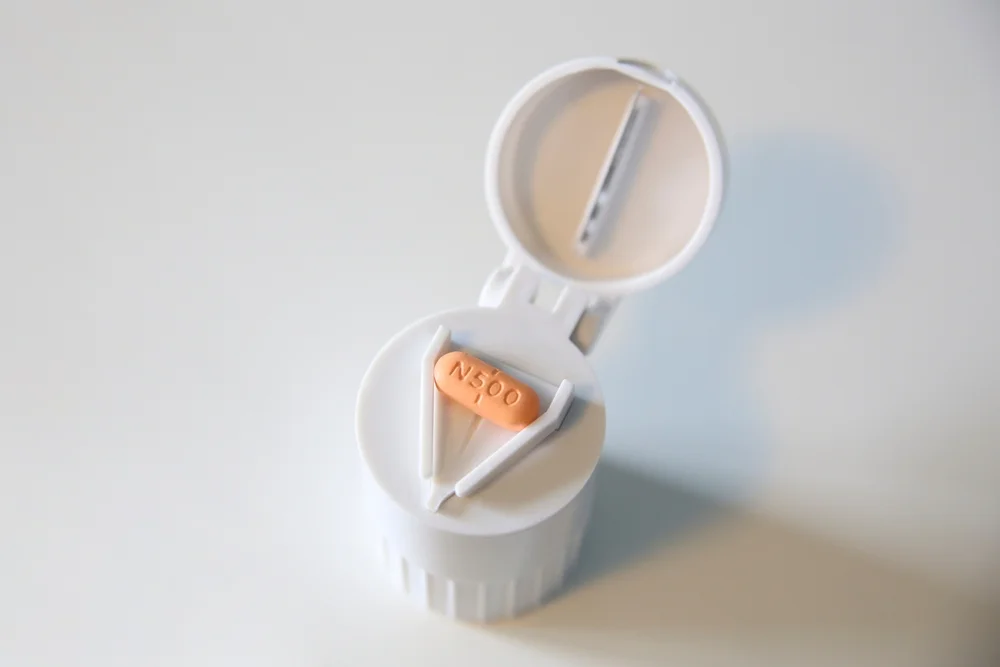
Many people are surprised to learn that cutting pills in half can actually help them save money. This practice is called pill splitting, and it’s more common than you might think. It works like this: Instead of buying a lower-dose pill, you buy a higher-dose pill that costs nearly the same, or sometimes even less, and split it in half to get the same dosage. Why Does Pill Splitting Work? Pharmaceutical companies often price pills by the type of medication rather than the strength. For example, a 20 mg pill might cost the same as a 40 mg pill. If your doctor prescribes 20 mg, you could get the 40 mg pills and cut them in half. In this way, one pill becomes two doses. This cuts your costs in half without reducing the effectiveness of your treatment. Here are a few reasons why people choose to split pills: Pill splitting has become even more popular as drug prices continue to rise. For people who are uninsured or paying out of pocket, this method can make treatment more affordable. Is Pill Splitting Legal and Safe? Yes, but with important conditions. It’s only safe and legal to split pills when: Never start splitting your medication without talking to your doctor first. Some medications are dangerous to split. Others might not work properly if not taken as a whole pill. What Kinds of Pills Can Be Split? If you’re thinking about trying pill splitting, the first thing you need to know is which pills are safe to split. Not all tablets can be cut safely, and splitting the wrong kind can cause side effects or reduce the medication’s effectiveness. Signs That a Pill Might Be OK to Split Here are a few features that often mean a pill can be split: Here are some types of medications that are often safe to split (always confirm with a healthcare professional): Medication Type Examples Cholesterol-lowering drugs Simvastatin, Atorvastatin Blood pressure meds Atenolol, Metoprolol Antidepressants Sertraline, Citalopram Allergy meds Loratadine (in tablet form) Some anti-anxiety meds Diazepam (Valium) These medications don’t lose their effectiveness when cut, and they don’t contain coatings that change how they’re absorbed. Pills You Should NEVER Split Some pills are dangerous or ineffective if split. These tablets have special coatings, time-release features, or combinations of drugs that should stay intact. Warning Signs: Do Not Split These Pills Common Medications That Should Not Be Split Medication Type Examples Painkillers (time-release) OxyContin, Tramadol ER Antidepressants (slow-release) Venlafaxine XR, Bupropion SR Diabetes medications Metformin ER Heart medications Digoxin, Diltiazem (extended-release) Birth control pills Most oral contraceptives Always ask your doctor or pharmacist if you’re unsure about your medication. Taking a split pill that shouldn’t be split can lead to serious health problems, including overdose, treatment failure, or stomach issues. What Could Go Wrong with Pill Splitting? Although pill splitting can save money, it’s not risk-free. Mistakes during splitting or misunderstanding how a medication works can cause real problems. Risks Involved How to Split Pills the Right Way If you and your doctor have decided that pill splitting is safe for your situation, the next step is learning how to do it correctly. A clean and accurate split is important to ensure you get the right dose every time. Use the Right Tool Never use your fingers, a knife, or scissors to split pills. These tools are not designed for precision and can cause the pill to break unevenly or crumble. The best option is to use a pill splitter, a small device made specifically for this purpose. You can buy one at most pharmacies or online, and they’re very affordable. Steps to Split a Pill Safely When to Split Ideally, split pills just before you need them. This keeps the medication as fresh and effective as possible. Some people choose to split a week’s worth in advance and store the halves in a pill organizer. Tips for Safe Storage and Use of Split Pills After splitting pills, it’s important to store and manage them correctly. Mishandling split pills can lead to loss of medication, confusion, or even taking the wrong dose. Storage Guidelines Handling Tips Talk to Your Doctor First – Always This cannot be stressed enough, never split pills without asking your doctor or pharmacist first. Even if you think the pill looks safe to cut, there may be reasons why you shouldn’t. Your doctor can help you: Your pharmacist can also give you advice about: Is Pill Splitting the Best Option for You? For some people, splitting pills makes perfect sense. For others, it can cause more problems than it solves. Here’s how to know if it may work for you. Good Candidates for Pill Splitting Not Ideal for Everyone Pill splitting may not be a good idea if: Sometimes it’s better to ask your doctor for a lower-strength version or switch to a cheaper generic drug rather than splitting. Alternatives to Pill Splitting While pill splitting can be effective, there are other ways to save money on medications that don’t involve cutting tablets. Other Cost-Saving Options Be Smart, Be Safe Pill splitting can be a helpful way to cut down on medication costs, but only if it’s done safely and under medical supervision. Always check with your healthcare provider before splitting any pills. Use a proper pill splitter, follow safe storage practices, and don’t take chances with your health. Here’s a quick summary to remember: Saving money is important, but staying healthy is even more important. With the right approach, you can do both.