
Prescription medications are an important part of healthcare in Florida. They help people manage health conditions, recover from illnesses, and prevent more serious problems. From heart health to allergies, doctors in Florida prescribe a wide range of medicines every day.
Florida is home to a mix of age groups. There are retirees, working adults, students, and families with young children. Because of this variety, the list of commonly prescribed medications includes drugs for both short-term illnesses and long-term health conditions. Some are used to treat chronic diseases like diabetes and high blood pressure, while others help with seasonal allergies or infections.
In this guide, we will explore the most commonly prescribed medications in Florida. We will look at what they are used for, how they work, and why they are important for residents of the Sunshine State. You will also find tips for safe medication use and an understanding of why certain prescriptions are more common here than in other parts of the country.
Why Prescription Medications Are Important
Prescription medications are more than just treatments for symptoms. They are targeted tools designed to address specific medical needs. When prescribed by a healthcare provider, they can:
- Help control chronic illnesses such as heart disease and diabetes
- Prevent serious health complications
- Improve quality of life
- Support faster recovery from infections and injuries
However, prescription medications must be taken exactly as directed. Taking too much, skipping doses, or stopping too early can be harmful. Understanding how and why you are taking medication is an important part of staying healthy.
Common Health Needs in Florida
Florida’s healthcare landscape is shaped by its population and environment. Several factors influence which medications are prescribed most often:
- Large retiree population – Older adults often need medications for chronic conditions like heart disease, arthritis, and diabetes.
- Warm, humid climate – Allergies, asthma, and skin conditions can be triggered by year-round pollen, mold, and insect activity.
- Active outdoor lifestyle – Increases exposure to environmental allergens and sometimes leads to more injuries.
- Tourism and close communities – Can contribute to the spread of infections, making antibiotics and antiviral medications more common.
These factors create patterns in the types of medications doctors in Florida prescribe most frequently.
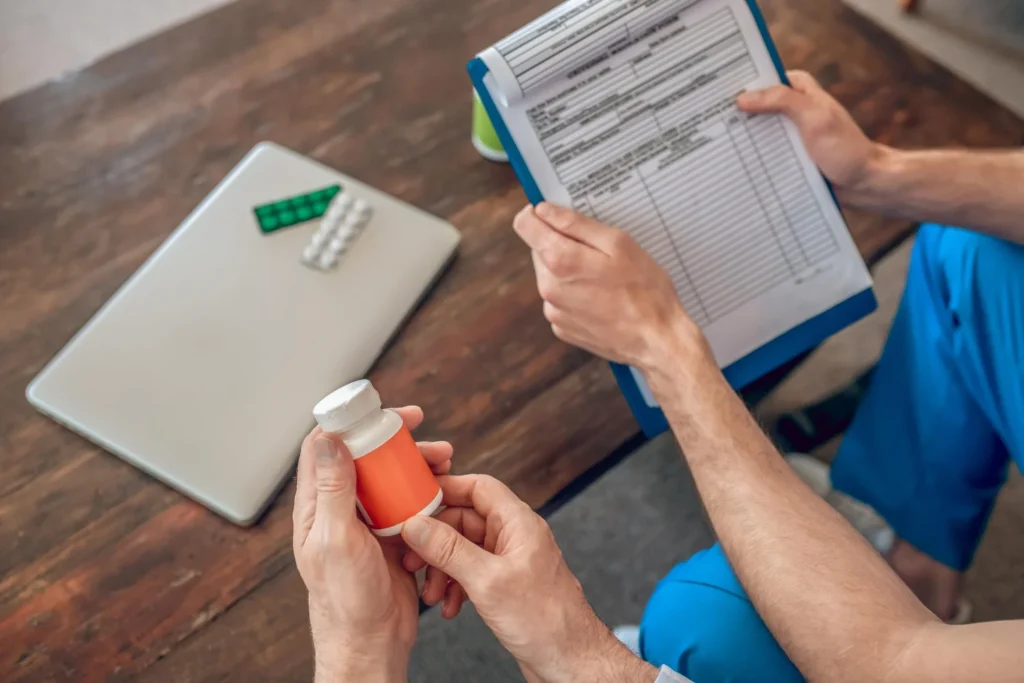
The Most Commonly Prescribed Medication Categories
Below, we explore each category of commonly prescribed medications in Florida. For each, we look at examples, what they are used for, and why they are so common in the state.
1. Heart and Blood Pressure Medications
Heart disease is one of the leading health concerns in Florida. Many residents live with high blood pressure, high cholesterol, or other heart-related issues. Doctors often prescribe the following types of medications:
Statins
Examples: atorvastatin (Lipitor), rosuvastatin (Crestor)
Purpose: Lower cholesterol levels to reduce the risk of heart attack and stroke.
ACE inhibitors
Examples: lisinopril, enalapril
Purpose: Relax blood vessels, lower blood pressure, and reduce strain on the heart.
Beta blockers
Examples: metoprolol, atenolol
Purpose: Slow the heart rate and lower blood pressure to help manage heart conditions.
Diuretics
Examples: hydrochlorothiazide, furosemide
Purpose: Help the body remove excess salt and water, lowering blood pressure and reducing swelling.
These medications are often taken daily and can be lifelong treatments for people with chronic heart or blood pressure problems.
2. Diabetes Medications
Diabetes, especially Type 2 diabetes, is common in Florida. Managing blood sugar levels is key to preventing complications like nerve damage, kidney problems, and heart disease.
Metformin
Purpose: Improves how the body uses insulin and lowers sugar production in the liver. Often the first medication prescribed for Type 2 diabetes.
Insulin
Purpose: Replaces or supplements the insulin the body cannot produce. Comes in short-acting and long-acting forms.
GLP-1 receptor agonists
Examples: semaglutide (Ozempic), dulaglutide (Trulicity)
Purpose: Lower blood sugar levels and sometimes help with weight management.
These medications require regular monitoring through blood tests to ensure blood sugar stays within a healthy range.
3. Mental Health Medications
Mental health is a major focus in Florida, as it is across the United States. Depression, anxiety, and insomnia affect people of all ages. Doctors prescribe a variety of medications to manage these conditions.
SSRIs (Selective Serotonin Reuptake Inhibitors)
Examples: sertraline (Zoloft), escitalopram (Lexapro)
Purpose: Help balance brain chemicals linked to mood and are commonly used for depression and anxiety.
SNRIs (Serotonin-Norepinephrine Reuptake Inhibitors)
Examples: duloxetine (Cymbalta), venlafaxine (Effexor)
Purpose: Used for depression, anxiety, and sometimes nerve pain.
Benzodiazepines
Examples: alprazolam (Xanax), lorazepam (Ativan)
Purpose: Prescribed for short-term relief of anxiety or panic attacks.
Sleep aids
Examples: zolpidem (Ambien)
Purpose: Help with short-term treatment of insomnia.
Mental health medications can greatly improve daily life but require careful monitoring to manage side effects and avoid dependency.
4. Medications for Infections
Infections can spread quickly in Florida’s warm climate. Common conditions include sinus infections, respiratory infections, and urinary tract infections.
Amoxicillin
Purpose: Treats ear, throat, sinus, and respiratory infections.
Azithromycin
Purpose: Often used for bronchitis, pneumonia, and certain skin infections.
Ciprofloxacin
Purpose: Common for urinary tract infections and digestive system infections.
It is important to complete the full course of antibiotics even if symptoms improve to prevent antibiotic resistance.
5. Allergy and Asthma Medications
Allergies are common in Florida due to pollen, mold, and other environmental triggers that can be present all year. Asthma is also a concern for many residents.
Antihistamines
Examples: loratadine (Claritin), cetirizine (Zyrtec)
Purpose: Relieve sneezing, runny nose, and itchy eyes.
Nasal sprays
Examples: fluticasone, mometasone
Purpose: Reduce inflammation in nasal passages.
Inhaled corticosteroids
Examples: fluticasone, budesonide
Purpose: Reduce airway inflammation for asthma control.
Bronchodilators
Examples: albuterol
Purpose: Provide quick relief during asthma attacks by relaxing airway muscles.
6. Pain Relief Medications
Pain can result from injuries, surgeries, arthritis, or other chronic conditions. Doctors in Florida prescribe a variety of pain medications depending on the cause and severity.
NSAIDs (Nonsteroidal Anti-inflammatory Drugs)
Examples: ibuprofen, naproxen
Purpose: Reduce pain and inflammation.
Acetaminophen
Purpose: Treat mild to moderate pain and fever.
Prescription-strength NSAIDs
Purpose: Provide stronger pain relief for more severe conditions.
Opioids
Examples: oxycodone, hydrocodone
Purpose: Prescribed for short-term severe pain. These carry a risk of dependency and are used with caution.
Nerve pain medications
Examples: gabapentin, pregabalin
Purpose: Used for nerve-related pain conditions.
Safety Tips for Taking Prescription Medications
No matter what type of medication you take, safety is critical. Here are some key guidelines:
- Follow instructions exactly – Take the right dose at the right time.
- Do not share medications – What works for one person may be harmful to another.
- Watch for side effects – Report any unusual symptoms to your doctor immediately.
- Check for interactions – Make sure your doctor knows about all medications, vitamins, and supplements you take.
- Store medications properly – Keep them away from heat, moisture, and direct sunlight unless otherwise directed.
- Dispose of unused medications safely – Many pharmacies offer take-back programs.

Why These Prescriptions Are Common in Florida
Several reasons explain why these medications are prescribed so often in Florida:
- High rates of chronic illness – Conditions like heart disease and diabetes are more common among older populations.
- Year-round allergens – Pollen and mold are present during most months, increasing the need for allergy and asthma medications.
- Climate-related infections – Warm, humid conditions can encourage the spread of certain bacterial and fungal infections.
- Active lifestyles – Outdoor activities can lead to more injuries, which means higher demand for pain relief medications.
FAQs
Do prescription medication prices vary across Florida?
Yes, prices can vary depending on the pharmacy, insurance coverage, and whether you are in a rural or urban area. Some areas may have discount programs or special rates for seniors.
Can I get prescription medications delivered in Florida?
Yes, Pharmacy Care RX, offers home delivery services, and some even provide same-day delivery in certain locations.
Are generic versions of these common medications available?
Most commonly prescribed medications have generic versions, which are usually more affordable and work the same way as brand-name drugs.
How do I refill a prescription if I am traveling within Florida?
You can often refill at any branch of your pharmacy chain or transfer the prescription to a nearby pharmacy with a phone call.
What is the process for getting a new prescription in Florida?
You will need to see a licensed healthcare provider, who will evaluate your condition and determine if medication is appropriate.
Are there any special laws for controlled medications in Florida?
Yes, Florida has strict regulations for prescribing and dispensing controlled substances, especially opioids, to prevent misuse.
Can tourists or seasonal residents get prescriptions filled in Florida?
Yes, but they will need a valid prescription from a licensed provider. Out-of-state prescriptions can often be filled, but it depends on the pharmacy and the type of medication.
How do I know if my prescription interacts with other medications I am taking?
Your pharmacist can review your medications for interactions, and you can also ask your doctor or use a reputable drug interaction checker.
Is health insurance required to get a prescription in Florida?
No, you do not need insurance to get a prescription, but having insurance can greatly reduce the cost of medications.
Are there programs to help Floridians afford their medications?
Yes, Florida residents may qualify for manufacturer discount programs, state assistance plans, or non-profit resources that help cover medication costs.
Conclusion
Prescription medications are an essential part of healthcare in Florida. They help manage chronic diseases, fight infections, control allergies, support mental health, and relieve pain. Knowing which medications are most common can help you better understand your own prescriptions and the health trends in the state.
Whether it is a daily statin for heart health, metformin for diabetes, an inhaler for asthma, or antibiotics for an infection, each medication has a role in keeping Floridians healthy and active. The key to using them effectively is to follow your doctor’s guidance, take them as prescribed, and stay informed about your treatment.
By understanding the most commonly prescribed medications in Florida, you can take a more active role in your healthcare and make choices that support your long-term well-being.