
Lantus is a long-acting insulin used to help control blood sugar in people with diabetes. Its active ingredient is insulin glargine. Unlike mealtime insulin, which works around meals, Lantus provides background insulin over a long period.
Taking Lantus as prescribed helps keep blood sugar under control throughout the day and night. When a dose is missed, the body may not have enough insulin to keep glucose levels in the desired range.
The most common result is a rise in blood sugar. In some people, this can cause thirst, frequent urination, tiredness, and other symptoms of high blood sugar. For people with type 1 diabetes, missing insulin can also cause ketones to build up. If the problem becomes severe, it can lead to diabetic ketoacidosis, or DKA.
Knowing what can happen after missing a dose of Lantus can help you recognize a problem early and know when to get medical help.
Quick Safety
- Missing Lantus can cause blood sugar to rise, so check your glucose as advised by your healthcare team.
- If you have type 1 diabetes, missing insulin can increase the risk of ketone buildup and diabetic ketoacidosis (DKA).
- Do not automatically take a double dose to make up for a missed injection.
- If you are unsure what to do after missing Lantus, contact your doctor, diabetes care team, or pharmacist.
- Check ketones if your healthcare team has advised you to do so, especially when blood sugar is high or you feel unwell.
- Seek urgent medical help for high ketones, repeated vomiting, severe abdominal pain, confusion, extreme weakness, or difficulty breathing.
What Happens When You Miss Lantus?
Lantus provides a steady supply of insulin that helps your body use glucose for energy and keeps blood sugar from rising too much between meals.
When you miss a scheduled dose, the amount of insulin available in your body can become too low. Your blood sugar may then start to rise.
The change may not be noticeable straight away. Some people feel completely normal while their blood sugar is already increasing. Others may notice symptoms within hours.
How much your blood sugar changes depends on several factors, including:
- Your type of diabetes
- Your usual Lantus dose
- How long the dose has been missed
- Your other insulin or diabetes medicines
- What you have eaten
- Your activity level
- Whether you are sick or have an infection
For someone who relies heavily on insulin, a missed dose can be more serious than it may seem.
What Is the Most Common Effect of Missing Lantus?
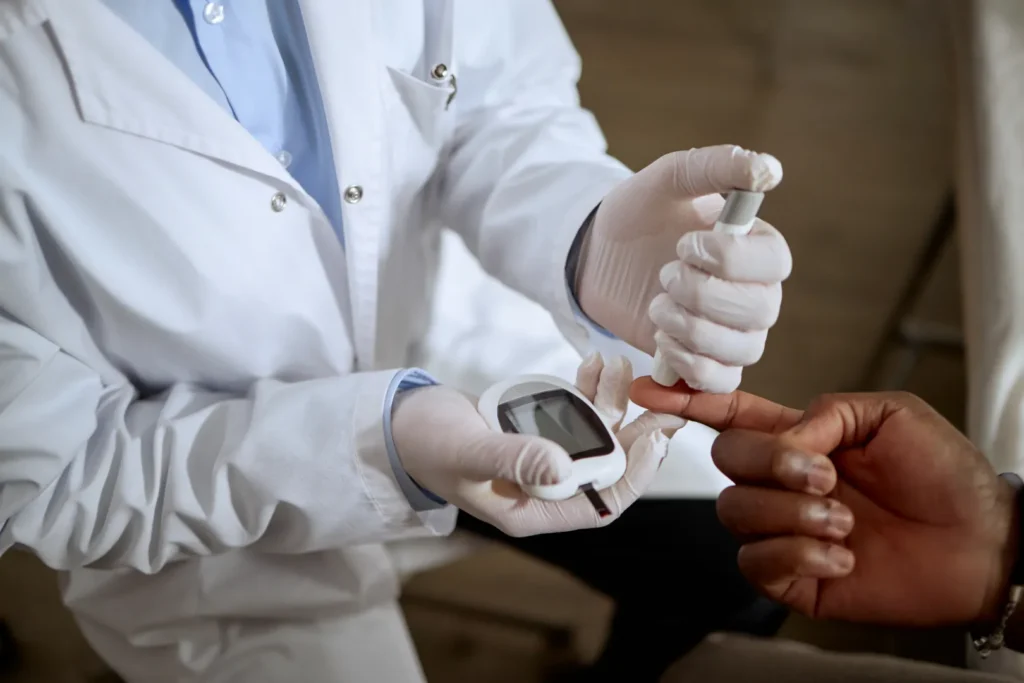
The main concern after missing Lantus is hyperglycemia, which means high blood sugar.
Without enough background insulin, glucose can remain in the bloodstream instead of moving into cells where it can be used for energy. As a result, your blood sugar reading may be higher than usual and may continue to increase.
You may notice that your glucose meter or continuous glucose monitor shows higher readings than you normally see.
A temporary rise does not always mean something serious is happening. However, blood sugar that remains high, keeps climbing, or occurs with other symptoms needs attention.
Common signs of high blood sugar
You may experience:
- Increased thirst
- Frequent urination
- Dry mouth
- Tiredness
- Headache
- Blurred vision
- Weakness
- Difficulty concentrating
Some people may have high blood sugar without any obvious symptoms. This is why checking your glucose is important after a missed dose.
Why Does Missing Lantus Make You Thirsty?
One reason high blood sugar causes increased thirst is that the kidneys try to remove excess glucose from the body through urine.
When there is too much glucose in the blood, more glucose can pass into the urine. This pulls water with it, causing you to urinate more often.
As you lose more fluid, your body signals that you need to drink more. You may feel unusually thirsty or notice that your mouth feels dry.
If high blood sugar continues, you can become dehydrated. Dehydration can make you feel weak, dizzy, or generally unwell.
Why Can You Feel Tired After Missing a Dose of Lantus?
Insulin helps glucose move from the bloodstream into cells so it can be used for energy.
When there is not enough insulin, glucose may build up in the blood while the body’s cells do not get the energy they need from it.
This can leave you feeling tired or weak.
If high blood sugar continues for a longer period, the tiredness may become more noticeable. Severe weakness, especially when combined with nausea, vomiting, stomach pain, or breathing changes, can be a sign of a more serious insulin shortage.
What Happens If Blood Sugar Keeps Rising?
A short-term increase in blood sugar may be manageable, but problems can develop if the body remains without enough insulin.
This is particularly important in type 1 diabetes. When there is very little insulin available, the body may start breaking down stored fat to produce energy.
This process produces ketones.
Ketones are useful in small amounts when the body needs another source of energy. The problem occurs when too many ketones build up in the blood.
This can lead to diabetic ketoacidosis.
How Do Ketones Develop After Missing Lantus?
Your body normally relies on glucose as a major source of energy. Insulin helps the body use that glucose.
When there is not enough insulin, the body may not be able to use glucose properly. It then begins breaking down fat instead.
The breakdown of fat produces ketones.
If insulin remains too low, ketone levels can continue to increase. High ketone levels can make the blood more acidic and may lead to DKA.
This is why people with type 1 diabetes are generally advised to pay close attention to blood sugar and ketones when they have missed insulin or are feeling sick.
Can Missing Lantus Cause Diabetic Ketoacidosis?
Yes. Missing insulin can increase the risk of diabetic ketoacidosis.
DKA is a serious complication that occurs when there is not enough insulin and ketones build up in the body. It can develop relatively quickly, particularly in people with type 1 diabetes.
The condition requires urgent medical treatment.
Signs of diabetic ketoacidosis
Possible warning signs include:
- Very high blood sugar
- High ketone levels
- Excessive thirst
- Frequent urination
- Náuseas
- Vómitos
- Stomach or abdominal pain
- Severe tiredness
- Dry mouth and dehydration
- Deep or rapid breathing
- Fruity-smelling breath
- Confusion
You do not need to have every symptom for DKA to be a concern.
If you have high ketones, repeated vomiting, difficulty breathing, confusion, or feel severely unwell, seek urgent medical attention.
Can One Missed Lantus Dose Lead to DKA?
One missed dose does not automatically mean that DKA will happen. However, it can contribute to serious insulin deficiency in some people.
The risk is particularly important for people with type 1 diabetes because they need insulin to keep their bodies functioning normally.
The risk can also increase when other problems are present. Being sick, having an infection, becoming dehydrated, or experiencing significant physical stress can make blood sugar harder to control.
For this reason, a missed dose should not be treated as something to simply forget about.
What Should You Do After Missing Lantus?
The right action depends on your individual insulin plan.
There is no single rule that works for every person who misses Lantus. Your doctor may have given you specific instructions based on your dose, diabetes type, other insulin, and usual injection time. If you already have a missed-dose plan, follow it.
If you do not have one and are unsure what to do, contact your doctor, diabetes care team, or pharmacist. It is important not to guess your next dose.
Check your blood sugar
Start by checking your blood glucose according to your usual monitoring plan.
If the reading is higher than normal, continue monitoring as advised by your healthcare team.
If you use a continuous glucose monitor, pay attention to whether your glucose is steadily rising.
Check for ketones if you have been advised to
People at risk of DKA may be advised to check ketones when blood sugar is high or when they are unwell.
Ketones can be checked using urine strips or a blood ketone meter.
If you find ketones, follow the instructions given to you by your diabetes care team. Do not try to create your own insulin correction plan unless you have been specifically instructed how to do so.
Should You Take a Double Dose of Lantus?
You should not automatically take a double dose to make up for a missed injection.
Lantus is long-acting, so taking too much can cause blood sugar to fall too low later. The effect of an excessive dose can last for many hours.
Low blood sugar can cause sweating, shaking, hunger, dizziness, confusion, weakness, and in severe cases, seizures or loss of consciousness.
The safest approach is to follow the missed-dose instructions given by your healthcare professional. If you do not have instructions, ask a healthcare professional before taking an extra dose.
What If You Remember the Dose of Lantus Later?
If you realize that you forgot Lantus several hours after your normal injection time, do not assume that taking the full dose immediately is always the right answer.
The correct action depends on your individual treatment schedule and how much time has passed.
Your doctor or diabetes care team may have specific instructions about when to take the dose and how to return to your usual schedule.
If you are unsure, contact your healthcare professional rather than taking an additional dose on your own.
What Should You Monitor After a Missed Lantus Dose?
After missing Lantus, keep an eye on your blood sugar and how you feel.
Your healthcare team may recommend checking your glucose more often for a period of time.
Pay attention to:
- Blood sugar readings
- Changes in thirst
- Urination frequency
- Nausea or vomiting
- Unusual tiredness
- Abdominal pain
- Ketone levels, if you have been told to check them
- Changes in breathing
Do not rely only on how you feel. Blood sugar can become high before symptoms appear.
When Should You Contact Your Doctor?

You should contact your doctor or diabetes care team if you are unsure how to manage a missed dose, particularly if you do not have a written plan.
You should also seek medical advice if your blood sugar remains unusually high or you are having difficulty bringing it back toward your usual range.
If you have type 1 diabetes and have missed basal insulin, contacting your healthcare team promptly is especially important.
When Is a Missed Lantus Dose an Emergency?
A missed dose can become an emergency if it is followed by signs of DKA or severe hyperglycemia.
Seek urgent medical care if you have:
- High ketone levels
- Repeated vomiting
- Severe abdominal pain
- Deep or rapid breathing
- Confusion
- Extreme weakness
- Severe dehydration
- Difficulty staying awake
- A combination of very high blood sugar and worsening symptoms
Do not wait for the symptoms to become severe if you have been advised by your healthcare team to seek help at a particular blood sugar or ketone level.
Why Is Missing Lantus More Serious in Type 1 Diabetes?
People with type 1 diabetes produce little or no insulin naturally.
Because of this, they depend on insulin injections to control blood glucose and prevent serious insulin deficiency.
Missing a long-acting insulin dose can therefore cause blood sugar to rise and may allow ketones to develop.
This does not mean that every missed injection will cause DKA. It means that people with type 1 diabetes need to take missed basal insulin seriously and follow their personal instructions.
Having a plan in advance can make a big difference.
What About Missing Lantus With Type 2 Diabetes?
The effects can be different in people with type 2 diabetes.
Some people with type 2 diabetes continue to make their own insulin, while others may need insulin because their bodies do not produce enough or because other treatments are no longer sufficient.
Missing Lantus can still cause blood sugar to rise.
The risk of DKA may be different from that of someone with type 1 diabetes, but serious high blood sugar can still occur.
People with type 2 diabetes who use Lantus should follow the same basic principle: do not ignore a missed dose, monitor blood sugar, and ask their healthcare professional what to do if they are unsure.
What Should You Avoid After Missing Lantus?
A few mistakes can make the situation more difficult to manage.
Do not take a double dose without medical advice.
Do not keep taking additional doses because your blood sugar is high unless you have been given a specific correction plan.
Do not stop checking your blood sugar just because you feel normal.
Do not ignore ketones if you have been instructed to test for them.
Avoid strenuous exercise if your blood sugar is very high and you have ketones unless your healthcare professional has specifically advised you otherwise.
Most importantly, do not delay getting medical help if you develop symptoms that could indicate DKA.
How Can You Prevent Missing Lantus?

Forgetting an insulin injection is common, especially when your normal routine changes.
Simple reminders can make it easier to stay on schedule.
Set an alarm on your phone for your usual injection time. Keeping your insulin supplies in the same place can also make your routine easier.
Some people find it helpful to record each injection immediately after taking it. This can prevent confusion about whether the dose was already taken.
If you travel frequently, have changing work hours, or regularly forget doses, talk to your healthcare team about ways to make your insulin routine easier.
Why Is a Lantus Missed-Dose Plan So Important?
It is much easier to decide what to do about a missed dose before it happens.
Ask your doctor or diabetes care team to give you clear instructions for missed Lantus doses.
Your plan may cover what to do if you:
- Forget a dose completely
- Remember several hours later
- Are unsure whether you already injected
- Have very high blood sugar
- Have ketones
- Become sick
- Run out of insulin
Keep the instructions somewhere easy to access. You can also save them on your phone if that is more convenient.
Having a clear plan can help prevent both under-treatment and accidental extra insulin.
Frequently Asked Questions
What should I do if I miss my Lantus dose?
Check your blood sugar and follow the missed-dose instructions given by your doctor or diabetes care team. If you are unsure, contact a healthcare professional before taking the missed dose.
How long can blood sugar stay high after missing Lantus?
It can vary from person to person. Since Lantus is long-acting, missing a dose may affect blood sugar for many hours. Continue monitoring your glucose and follow your usual diabetes management plan.
Can missing Lantus make you feel sick?
Yes. High blood sugar after missing Lantus can cause thirst, frequent urination, tiredness, weakness, headache, and blurred vision. More serious symptoms such as nausea, vomiting, or stomach pain may indicate a more serious insulin shortage.
Can missing Lantus cause ketones even if blood sugar is not extremely high?
Yes, ketones can sometimes develop when there is not enough insulin, particularly in people with type 1 diabetes. If your healthcare team has told you to check ketones, follow their instructions when you feel unwell or have concerning glucose readings.
Can I take Lantus earlier the next day after missing a dose?
Do not change the timing of your next dose without medical advice. The safest timing depends on your usual schedule, the time you missed the injection, and your individual treatment plan.
Can missing Lantus cause low blood sugar?
Missing Lantus itself usually causes blood sugar to rise rather than fall. However, taking extra insulin to compensate for a missed dose can increase the risk of hypoglycemia.
Can I exercise after missing a Lantus dose?
Exercise may affect blood sugar differently depending on your glucose and ketone levels. If your blood sugar is very high or you have ketones, contact your healthcare team for guidance before exercising.
Does missing Lantus affect sleep?
It can indirectly affect sleep if your blood sugar becomes high. Thirst, frequent urination, dehydration, or feeling unwell may make it harder to sleep comfortably.
What happens if I accidentally take two doses of Lantus?
Taking too much Lantus can cause low blood sugar, which may be serious. If you think you have taken an extra dose, contact your healthcare professional or seek urgent medical advice for instructions on monitoring and treatment.
How can I remember to take Lantus every day?
A phone alarm, medication reminder, or written record can help. Taking Lantus at the same time each day as prescribed and recording the injection afterward can also reduce the chance of forgetting or accidentally taking it twice.
Conclusión
The main side effects of missing a dose of Lantus are linked to having too little insulin in the body. The most common result is high blood sugar, which can cause increased thirst, frequent urination, dry mouth, tiredness, headache, weakness, and blurred vision.
For people with type 1 diabetes, missing basal insulin can be more serious. A lack of insulin can cause the body to produce ketones, and high ketone levels can lead to diabetic ketoacidosis.
If you miss Lantus, do not automatically take a double dose or change your normal insulin schedule. Check your blood sugar, follow your personal missed-dose instructions, and contact your doctor, diabetes care team, or pharmacist if you are unsure what to do.
Seek urgent medical attention if you develop high ketones, repeated vomiting, severe abdominal pain, confusion, extreme weakness, deep or rapid breathing, or other symptoms of DKA.
The best way to handle a missed Lantus dose is to have a clear plan in place before it happens. Your healthcare professional can help you create a plan based on your diabetes and insulin needs.
Disclaimer – This article is for general information only and does not replace advice from your doctor or diabetes care team. Always follow the instructions provided with your medicine and your prescribed diabetes treatment plan.